Lyme Infection
Lyme disease is an infection caused by bacteria that is transmitted to people through the bite of an infected deer tick, also known as a blacklegged tick. The bacterium responsible is Borrelia burgdorferi. Lyme disease is the most frequently reported tick-borne illness in the United States. Ticks carrying the infection are most commonly found in the Northeast, Mid-Atlantic region, Upper Midwest, and parts of the Pacific Coast. In the eastern United States, most tick bites occur during the warmer months, typically from spring through fall.
In most cases, a tick must remain attached to the skin for 36 to 48 hours or longer to transmit the bacteria. Ticks may fasten themselves anywhere on the body, particularly in areas that are difficult to see, such as the groin, underarms, and scalp. For this reason, it is essential to check your entire body after spending time outdoors and to remove any ticks carefully and promptly. Quickly removing an attached tick can significantly lower the risk of developing Lyme disease.
Typical early symptoms of Lyme disease include fever, headache, tiredness, and a red skin rash that may expand and resemble a bull’s-eye pattern. If you experience these symptoms and have recently had a tick bite, live in an area where Lyme disease is common, or have traveled to such an area, you should contact your health care provider. In most cases, a brief course of antibiotics successfully treats the infection. More complex cases may require antibiotic therapy for 3 to 4 weeks. Without proper antibiotic treatment, Lyme disease can lead to a variety of serious health problems. Some individuals continue to experience pain or fatigue for months after completing treatment. If symptoms persist after therapy, consult your health care provider for further evaluation.
Preventive measures can reduce your risk of Lyme disease. These include using insect repellents registered with the Environmental Protection Agency, avoiding wooded and grassy areas where ticks are common, wearing long sleeves and long pants when outdoors, checking carefully for ticks after returning indoors, and removing any attached ticks as soon as possible.
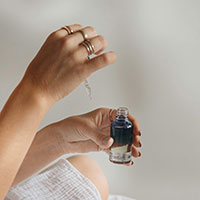
At present, antibiotics are the only proven effective treatment for Lyme disease. There is insufficient reliable scientific evidence to support the use of “natural” or alternative treatments such as oxygen therapies, energy-based approaches, nutritional or herbal remedies, or essential oils. These methods have not been shown to cure Lyme disease, and some may pose health risks.
For More Information
NCCIH Clearinghouse
The NCCIH Clearinghouse offers information about NCCIH and complementary and integrative health approaches, including access to publications and searches of Federal scientific and medical literature databases. The Clearinghouse does not provide medical advice, treatment recommendations, or referrals to health care providers.
Toll-free in the United States: 1-888-644-6226
Telecommunications relay service (TRS): 7-1-1
Website: nccih.nih.gov
Email: [email protected]
Know the Science
NCCIH and the National Institutes of Health provide educational resources to help the public understand scientific research and health information. These materials explain research basics and terminology so that individuals can make informed health decisions. Resources include interactive learning modules, videos, quizzes, and additional educational content.
Explaining How Research Works (NIH)
Know the Science: How To Make Sense of a Scientific Journal Article
Understanding Clinical Studies (NIH)
PubMed®
PubMed®, a service of the National Library of Medicine, offers access to citations and summaries of articles published in scientific and medical journals. It is a valuable resource for locating research on a wide range of health topics.
Website: pubmed.ncbi.nlm.nih.gov
This publication is in the public domain and may be reproduced without restriction.
This material is provided for informational purposes only and is not a substitute for professional medical advice. Always consult your health care provider regarding questions about diagnosis or treatment. Mention of any product, service, or therapy does not constitute endorsement.