WHO reaffirms goal of eliminating leprosy, highlighting collaboration and advancements ahead of World Leprosy Day
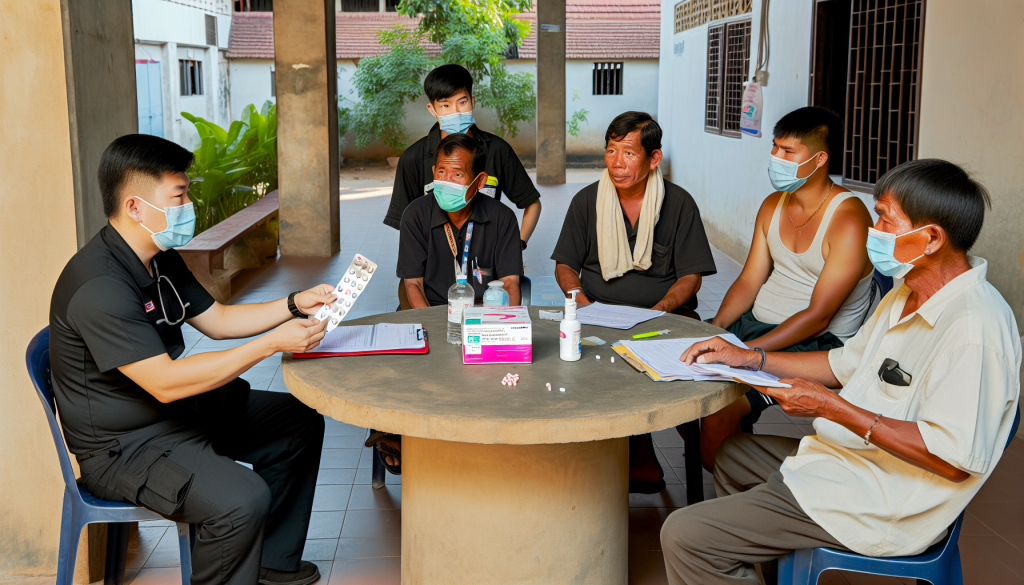
Ensuring access to leprosy treatment remains a pivotal step in the global push to end the disease, according to the World Health Organization (WHO) in the lead-up to World Leprosy Day on January 25.
Leprosy, a disease caused by the bacterium Mycobacterium leprae, is one of the world's oldest known infections. It mainly targets the skin and peripheral nerves. If not treated, it can lead to lasting damage and disability, often causing social exclusion and stigma. However, it is completely curable with a treatment regimen known as multidrug therapy (MDT).
Global efforts to control and end leprosy have led to a drop in new cases in many parts of the world. Of the 188 countries and regions that reported data in 2024, 55 noted zero new infections. Despite this progress, 172,717 new cases were still reported globally and shared with WHO during the same year.
Several stakeholders, including pharmaceutical companies such as Novartis, have played a key role in fighting leprosy. WHO has worked with Novartis since 2000 to offer MDT and clofazimine free of charge to those affected by the disease. This alliance represents one of the longest-running pharmaceutical donation programs in global health.
To mark 25 years of cooperation, WHO and Novartis have renewed their Memorandum of Understanding (MoU), extending it through 2030. The renewed agreement ensures continued delivery of MDT and includes support for the provision of single dose rifampicin (SDR), a preventive treatment offered to individuals after exposure.
“The dedication of our partners like Novartis over the last 25 years has been instrumental in making progress against leprosy,” said Dr. Jeremy Farrar, WHO Assistant Director-General for Health Promotion, Disease Prevention and Care. “Their commitment to providing free treatment access has transformed countless lives and brought us closer to eliminating this longstanding disease. This collaboration demonstrates the strength of global unity—proof that health challenges can be overcome when science, fairness, and teamwork come together.”
The availability of free MDT has enabled tens of thousands to recover from the disease, avoid disability, and live with dignity, reducing the stigma around leprosy. Additionally, clofazimine has played an important role in treating lepra reactions—severe, sudden flare-ups that can lead to complications and permanent damage if not addressed.
“Fighting leprosy has been part of our company mission since we discovered the first effective treatment,” said Dr. Lutz Hegemann, President of Global Health at Novartis. “Over the past two and a half decades, we’ve collaborated with WHO to help millions of patients, and we remain focused on reaching a future without leprosy.”
Although great progress has been achieved, continuing this momentum relies on ongoing political will, greater community involvement, and strong partnerships across sectors.
This year’s theme for World Leprosy Day is “Leprosy is curable, the real challenge is stigma,” highlighting the persistent social exclusion that can follow a diagnosis—even after successful treatment.
In addition, 2024 also recognizes 25 years of advocacy by Mr. Yohei Sasakawa as WHO’s Goodwill Ambassador for Leprosy Elimination. He emphasized, “In my experiences across the globe, the stigma surrounding leprosy can, at times, be even worse than the disease. It lingers beyond treatment, especially for those who have lasting physical effects. They continue to face discrimination—from being denied education to losing jobs or facing the breakdown of relationships. Even after being cured, they often suffer the deep pain of social rejection.”
Leprosy is among the diseases featured under the wider category of Neglected Tropical Diseases (NTDs). The campaign to end leprosy supports the broader mission toward eliminating all NTDs. World NTD Day will be commemorated again on January 30, 2026, as part of this unified global effort.
Notes for Editors
The NTD Roadmap for 2021–2030 aims to end the transmission of leprosy. The Global Leprosy Strategy that supports the Roadmap focuses not only on managing the disease but also on its elimination. Key areas include improved early detection, wider use of preventive treatments, and efforts to fight stigma and discrimination.
WHO continues to drive global efforts to ensure that individuals affected by leprosy receive prompt treatment and are protected from societal exclusion.