Guard Against Air Pollution
Breathe Easier, Inside and Outside
Most air pollution is invisible. You usually can’t smell it or see it drifting through the air. Yet contaminated air—whether outdoors or inside your home—can still have serious effects on your health.
“Almost everyone around the world breathes unhealthy air at some point,” says Dr. Stavros Garantziotis, a lung specialist and NIH researcher.
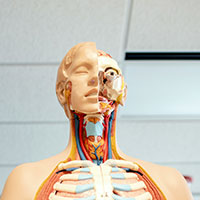
Breathing polluted air doesn’t only harm the lungs. Because the lungs are directly connected to the bloodstream, harmful particles and gases can move throughout the body. Once they spread, they can trigger inflammation—heat, swelling, and redness that occur as part of the body’s defense system. Ongoing inflammation increases the likelihood of many illnesses, including asthma, heart disease, stroke, neurological disorders, and certain cancers.
“Air pollution doesn’t affect all people in the same way,” Garantziotis explains. People living with asthma, in particular, may experience stronger effects.
Asthma is a chronic condition that makes it difficult to breathe. Polluted air can worsen symptoms and trigger attacks. Children, older adults, and individuals with heart disease or diabetes are also at higher risk of serious complications.
Following days with high pollution levels, asthma attacks among children tend to rise. Emergency visits for heart attacks and strokes in older adults also increase. Some air pollutants are even linked to a greater risk of developing cancer.
Air pollution today is not identical to what it was decades ago. Environmental regulations have successfully reduced several harmful emissions. Lead pollution declined significantly after it was eliminated from gasoline. Cleaner energy production has lowered sulfur dioxide levels. However, many pollution sources still persist.
One of the primary components of air pollution is particulate matter. These microscopic particles can travel deep into the lungs when inhaled. They are released by vehicles, power plants, construction activities, and industrial operations.
Ozone is another major pollutant. This gas can irritate and injure the airways. It forms when sunlight interacts with pollutants emitted by cars, factories, and other sources.
Smoke from wildfires is an increasing concern as well. Wildfires are becoming more frequent and more severe. They emit fine particles, metals, and chemicals that can drift hundreds of miles from the original fire.
“Smoke doesn’t remain near the fire,” Garantziotis says. “Wind can carry it far beyond the burn area.”
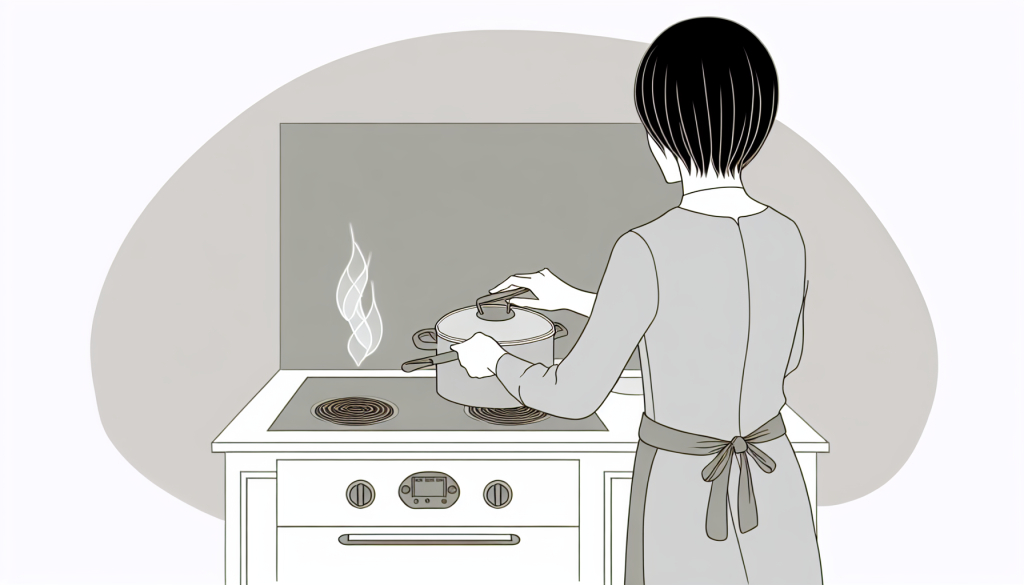
Outdoor air pollution can easily enter buildings. It doesn’t stop at the front door. Indoor air may also contain pollutants from everyday sources such as gas stoves, fireplaces, tobacco smoke, mold, dust, pet dander, and household pests.
“People often overlook indoor air quality, even though it’s something they can improve,” Garantziotis notes. As a lung physician, he encourages patients to take practical steps to limit exposure and improve the air inside their homes.
Garantziotis and his team are investigating how lung tissue repairs itself after pollution exposure. Their research shows that pollutants can break down the supportive material surrounding lung cells. When this structure is damaged, fragments can irritate the lungs and make breathing more difficult. Their findings suggest that restoring a healthy version of this material, known as hyaluronan, may help the lungs recover.
Researchers are also exploring why some individuals are more vulnerable to air pollution than others. By understanding these differences, scientists hope to develop better ways to prevent and treat pollution-related diseases.