Inaugural WHO Forum brings together 800+ Collaborating Centres to strengthen scientific cooperation
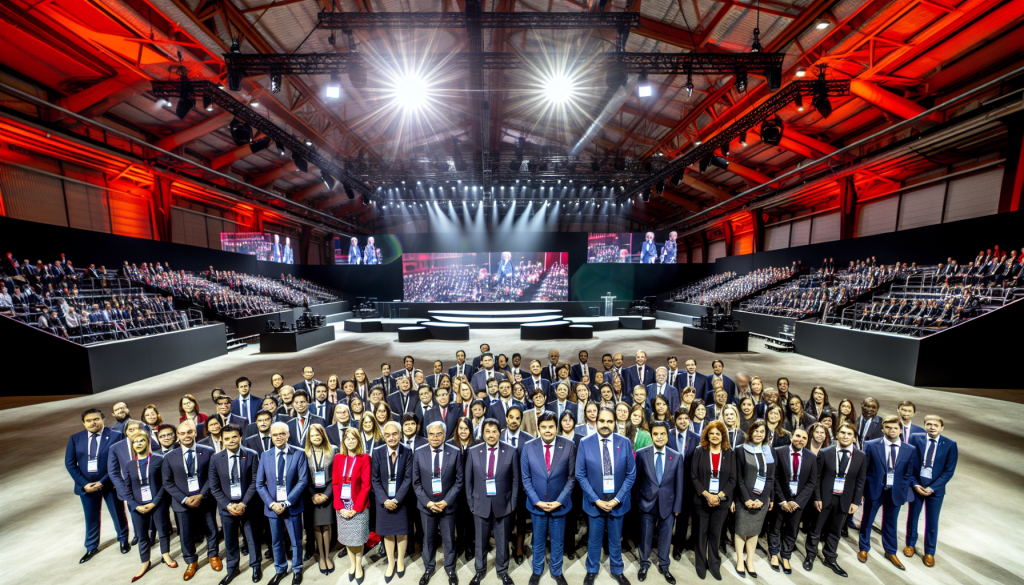
The World Health Organization (WHO) has hosted the first-ever Global Forum of Collaborating Centres, marking a historic gathering of one of the largest and most diverse networks in global public health. The event brought together representatives from more than 800 institutions officially designated as WHO Collaborating Centres (CCs), spanning over 80 countries.
During the Forum, experts underscored the growing health risks emerging in an increasingly fragmented global landscape. These complex challenges not only demand urgent and coordinated responses, but also create fresh opportunities to align efforts and advance stronger health solutions. The meeting concluded today with a renewed collective commitment, signaling a shift from isolated scientific initiatives toward more agile, interconnected, and impactful partnerships.
The Collaborating Centres network is grounded in one of WHO’s fundamental constitutional roles. Since its early years, the network has reinforced the Organization’s scientific capacity. In 1949, the Second World Health Assembly established that WHO should strengthen health research by coordinating and supporting existing institutions worldwide rather than building new ones of its own.
Over the past 77 years, the network has grown to encompass many of the world’s foremost public health, academic, research, and technical institutions. Today, it continues to serve as a vital strategic asset—bolstering WHO’s global norms and standards, fostering innovation, promoting collaborative research, and building capacity. Through this work, scientific evidence is transformed into concrete actions that save lives across the globe.
“WHO's network of collaborating centres is an immensely valuable but under-utilized resource for global health," said Dr Tedros Adhanom Ghebreyesus, WHO Director-General. "It connects leading institutions worldwide to turn evidence into practical action, assist countries, reinforce health systems, and safeguard communities. Collaborating centres embody international solidarity and demonstrate the importance of standing firmly with science.”
The Global Forum builds on the momentum of the international One Health Summit, which unites leaders from the fields of human, animal, and environmental health. It also serves as a key milestone in the World Health Day 2026 campaign, held under the theme “Together for health. Stand with science.”
“Science lies at the core of our mission to protect and enhance health,” said Dr Sylvie Briand, WHO Chief Scientist. “The global network of WHO collaborating centres represents an exceptional concentration of scientific knowledge and public health leadership. Collectively, they form a dynamic engine for innovation, expertise, and action. In an era of mounting global health pressures, trusted scientific collaboration is not just beneficial — it is essential to saving lives and building a healthier future for everyone.”
WHO is further strengthening its global CC community to better address emerging health threats with greater coordination and resilience. A major initiative is the establishment of the CORC (Collaborative Open Research Consortia), which connects leading research institutions and thousands of scientists around the world.
The objective of these consortia is both ambitious and critical: to accelerate the development of vaccines, diagnostics, and treatments for Disease X — the yet-unknown pathogen that could trigger the next global pandemic. By working collectively, these networks seek to ensure the scientific preparedness the world will depend on when such a threat arises.
Participants at the Global Forum stressed that robust international cooperation is more important than ever, particularly in the context of shrinking global health budgets. Joint action, shared investment, and coordinated strategies are vital to prevent localized health threats from escalating into worldwide crises.
WHO confirmed that the next Global Forum will take place in 2027, continuing efforts to reinforce and expand this landmark platform for global scientific collaboration.