KRICT unveils microfluidic chip enabling single-step identification of PFAs and various contaminants

Image:
A collaborative team from KRICT and Chungnam National University. From left: Dr. Ju Hyeon Kim (KRICT), student researcher Sung Wook Choi (KRICT), and Professor Jae Bem You (Chungnam National University)
Credit: Korea Research Institute of Chemical Technology (KRICT)
Analyzing pollutants in environmental samples often involves time-consuming processes like filtering, separating, and concentrating compounds. When water samples include solids such as soil, sand, or food particles, these steps can become less effective. Additionally, filtration may inadvertently eliminate trace pollutants along with the solid matter, reducing analytical precision.
To tackle this issue, a research collaboration led by Dr. Ju Hyeon Kim at the Korea Research Institute of Chemical Technology (KRICT) and Professor Jae Bem You from Chungnam National University has introduced a new microfluidic device. This innovation allows for direct assessment of pollutants in samples with solid materials—without needing pre-treatment steps.
Substances like water, food, and samples from the natural environment can carry invisible amounts of harmful contaminants. Precise identification of these compounds typically requires extracting and concentrating them, a task often performed using liquid–liquid extraction (LLE). Yet, LLE demands large quantities of solvent and is hard to automate. Techniques like liquid–liquid microextraction (LLME) exist but aren’t broadly applicable when solids are present, as those still require pre-filtration.
Standard pollutant analysis methods generally follow a sequence: solid removal, compound extraction, and then analysis. This complicated setup not only increases the burden of time and resources, but it also affects the consistency of the results. These obstacles are especially problematic for public health-related testing, such as environmental monitoring, testing drinking water, or tracking pharmaceutical residues.
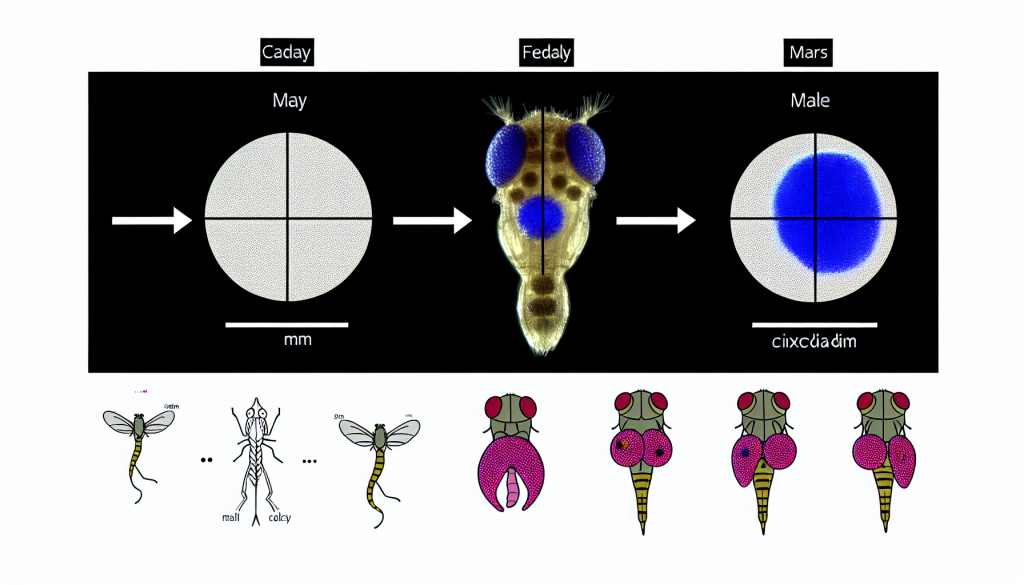
To overcome these drawbacks, the team developed a microfluidic device that traps a tiny droplet of extraction solvent inside a chamber connected to a flowing microchannel. This setup facilitates quick and targeted transfer of pollutants into the droplet, while solid particles bypass the extraction process undisturbed. Afterward, the extractant can be collected for further analysis using standard lab methods.
With this approach, researchers detected two model pollutants: perfluorooctanoic acid (PFOA), a substance of growing concern due to its environmental persistence and health impacts, and carbamazepine (CBZ), a commonly used medication. Remarkably, CBZ was identified in slurry samples containing sand without the need for filtration. PFOA was detected in just five minutes, and CBZ was confirmed using high-performance liquid chromatography (HPLC).
The findings highlight how this microfluidic method simplifies pollutant detection without compromising accuracy. Its ease of use and ability to work with solid-containing samples position it as a promising tool for fast and reliable testing in environmental science, food safety, pharmaceuticals, and biomedical fields.
Dr. Kim stated that streamlining multiple sample preparation steps into one compact system brings practical advantages for field analysis and automation. KRICT President Young-Kuk Lee added that this advancement strengthens the dependability of pollution and food testing, directly supporting public health.
This work was featured as the cover article in the December 2025 issue of ACS Sensors (Impact Factor: 9.1; top 3.2% in the JCR category of Analytical Chemistry). Dr. Ju Hyeon Kim from KRICT and Professor Jae Bem You of Chungnam National University served as the corresponding authors, and Sung Wook Choi was the lead author.
###
KRICT, a non-profit institution funded by the South Korean government, was established in 1976. It has since been instrumental in progressing Korea’s scientific advancements in areas such as chemistry, materials development, environmental science, and chemical engineering. KRICT continues to aim for global leadership in addressing critical challenges in these scientific fields and remains committed to improving life through cutting-edge chemical technology.
The research received backing from the KRICT Core Research Program, the National Research Foundation of Korea, and the Korea–Switzerland Innovation Program.
Journal
ACS Sensors
DOI
10.1021/acssensors.5c01878
Article Title
Trap-Based Microfluidic Device with Retrievable Droplet for the Analysis of Pollutants from Slurry Solutions
Article Publication Date
26-Dec-2025