
World health leaders renew their pledge to advance the Immunization Agenda 2030
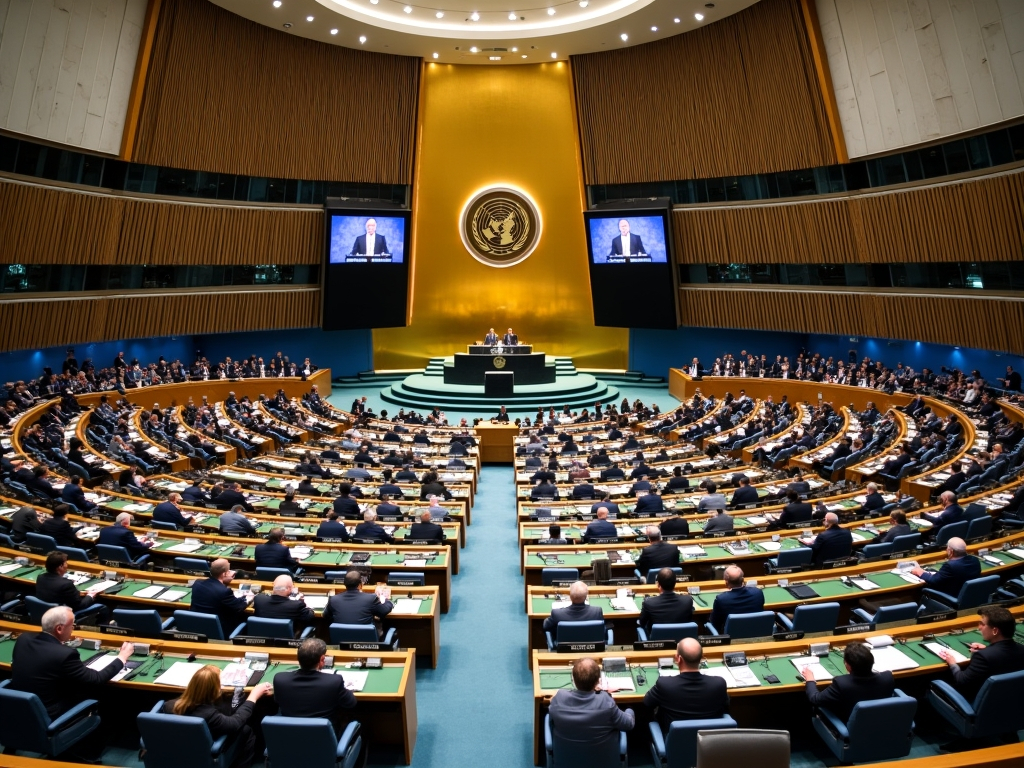
At the Seventy-ninth World Health Assembly (WHA), convened from 18 to 23 May 2026, Member States and international health partners reaffirmed their dedication to the Immunization Agenda 2030 (IA2030), underscoring vaccines as among the most impactful, cost-efficient, and equitable tools in public health.
Over 70 Member States and regional blocs, joined by non-State actors, technical agencies, and professional organizations, expressed firm backing for the IA2030 Mid-Term Review under agenda item 12.3. They stressed that robust immunization programmes are essential to outbreak readiness, resilient health systems, and sustained global health security.
As health systems worldwide face growing strain from armed conflict, climate-related emergencies, economic volatility, and waning confidence in science, Member States called for sustainable, country-driven immunization strategies. They emphasized closer integration with primary health care and more focused support from global agencies and partners, especially in fragile, vulnerable, and conflict-affected contexts.
No room for complacency
Throughout the WHA discussions, Member States cautioned that progress toward IA2030 targets remains off course and that the global immunization environment is becoming increasingly unstable. Surging measles outbreaks, drops in routine immunization coverage in multiple regions, and expanding inequities in vaccine access have revealed serious vulnerabilities.
Delegates highlighted the urgent need to regain lost momentum, particularly for zero-dose and under-immunized children who continue to lack access to essential services. At the same time, they acknowledged the achievements of the “Big Catch-Up” initiative as a key effort to reconnect with these underserved populations.
Financing for immunization emerged as a central issue, with several Member States warning that without sustained investment and strong political resolve, global immunization coverage and disease control could regress. Increasingly, countries pointed to domestic financing and national ownership as fundamental to preserving long-term progress.
There were also growing appeals to strengthen regional vaccine manufacturing capabilities and diversify supply chains, reducing reliance on external markets and bolstering global vaccine security.
Rising challenge of misinformation
Participants further drew attention to the escalating risks posed by misinformation, vaccine hesitancy, and declining public confidence. Member States stressed that restoring trust in vaccines will be vital to meeting IA2030 objectives, particularly as misleading narratives continue to circulate rapidly through digital channels. Several countries called for enhanced community engagement, stronger health communication efforts, and evidence-based approaches to counter false information and skepticism.
Shaping the future of immunization
In addition to addressing immunity gaps, delegates outlined a forward-looking agenda for immunization. Many countries reported progress in introducing new vaccines, upgrading disease surveillance systems, expanding digital immunization registries, and advancing life-course vaccination strategies to safeguard individuals at every stage of life.
Speakers also emphasized embedding immunization within primary health care systems and national preparedness plans to ensure countries are better prepared for future pandemics and disease outbreaks.
Responding to Member States, WHO pledged to advance the recommendations of the IA2030 Mid-Term Review, with a focus on zero-dose children and equity, rebuilding confidence in vaccines, and reinforcing collaboration with Gavi, UNICEF, and other partners. The Organization also highlighted the need for improved coordination across the evolving global health landscape to maintain immunization gains through 2030 and beyond.
As the decade progresses, Member States indicated that IA2030’s success will hinge not only on scientific breakthroughs, but equally on political will, reliable financing, public trust, and international cooperation. The years ahead will determine whether global commitments can be transformed into universal access to immunization.