Lilac
Common Names: lavender, English lavender, common lavender, French lavender
Latin Name: Lavandula angustifolia
Background
• Lavender is a fragrant evergreen shrub native to the Mediterranean region, particularly areas such as France, Spain, Andorra, and Italy.
• Its name is derived from the Latin word “lavare,” meaning “to wash.” Because of its pleasant aroma, lavender has long been included in soaps, bath products, perfumes, and aromatherapy preparations.
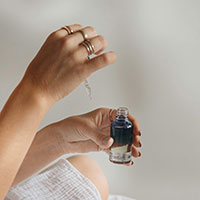
• Lavender is marketed as an oral dietary supplement for easing anxiety, stress, and related concerns. It is also commonly used in aromatherapy and in topical products applied directly to the skin.
How Much Do We Know?
• Lavender has been studied for a range of health issues. While research findings are promising in some areas, more rigorous and well-designed studies are necessary to draw firm conclusions about how effective it truly is.
What Have We Learned?
• Some research suggests that certain oral lavender oil products may help reduce anxiety, including anxiety accompanied by mild depressive symptoms. However, many studies have involved small participant groups, limited diversity, or industry sponsorship, which makes it difficult to generalize the findings.
• Early, small-scale studies indicate that lavender capsules or tea taken by mouth may ease symptoms of depression in some individuals. Because the evidence is still preliminary, these results should be interpreted carefully. Lavender applied to the skin does not appear to improve depressive symptoms.
• A small study involving postmenopausal women between the ages of 50 and 65 found that an oral lavender oil preparation might improve menopause-related sexual difficulties. Larger and more thorough studies are needed to confirm these observations.
• It remains uncertain whether inhaling lavender oil through aromatherapy effectively relieves anxiety, stress, depressive symptoms, certain types of pain, or sleep disturbances. Even so, some individuals report feeling more relaxed and experiencing improved overall well-being when using lavender aromatherapy.
• One early clinical study suggested that lavender syrup could lessen the severity of cough in people with COVID-19. Additional high-quality research is required to verify these findings.
What Do We Know About Safety?
• Lavender is generally considered safe when consumed in amounts typically found in foods.
• Oral lavender products may be safe for short-term use in the dosages studied for anxiety and other conditions. Reported side effects can include nausea, diarrhea, headache, and belching.
• Inhaled lavender used in aromatherapy is regarded as possibly safe, although some individuals may experience headaches or coughing.
• Products applied to the skin that contain lavender can sometimes trigger allergic reactions. A small number of cases of breast tissue swelling in children have been reported after using topical lavender products, though it is unclear whether lavender was the direct cause.
• Lavender may theoretically interact with sedative medications or herbs that cause drowsiness. This is particularly important before surgery. Anyone taking medications should consult a health care provider before using lavender or other herbal supplements, as interactions can occur.
• There is limited information about the safety of lavender use during pregnancy or while breastfeeding.
Keep in Mind
• Depression is a serious medical condition. If you or someone close to you may be experiencing depression, seek guidance from a qualified health care professional.
• Be proactive about your health by informing your providers about any complementary or herbal products you use. Shared decision-making helps ensure safe and coordinated care.
• Herbal products are regulated differently depending on their ingredients, intended purpose, and method of use. Many products taken by mouth are sold as dietary supplements, which are subject to less stringent regulations than prescription or over-the-counter drugs.
• Dietary supplements are not reviewed or approved before sale in the same way as medications. Regulatory authorities may intervene if safety concerns arise. Manufacturers and distributors are responsible for ensuring their products are properly labeled and meet applicable safety standards before marketing them.
For More Information
• Guidance on using dietary supplements responsibly
• Information about potential interactions between medications and supplements
• Tips for understanding and evaluating scientific research articles
NCCIH Clearinghouse
The NCCIH Clearinghouse offers information about complementary and integrative health approaches, including educational materials and access to scientific literature databases. The Clearinghouse does not provide medical advice, treatment recommendations, or practitioner referrals.
Toll-free (U.S.): 1-888-644-6226
Telecommunications relay service (TRS): 7-1-1
Website: nccih.nih.gov
Email: [email protected]
PubMed®
PubMed is a database maintained by the National Library of Medicine. It provides citations and summaries of research articles from medical and scientific journals, covering a wide range of health-related topics.
Website: pubmed.ncbi.nlm.nih.gov
Office of Dietary Supplements (ODS), National Institutes of Health
The Office of Dietary Supplements supports research and provides reliable information about vitamins, minerals, and other dietary supplements. It publishes educational resources and fact sheets on specific ingredients and products.
Website: ods.od.nih.gov
Email: [email protected]
Key References
• Araj-Khodaei M, Noorbala AA, Yarani R, et al. Comparison of Melissa officinalis and Lavandula angustifolia with fluoxetine for depression: randomized pilot study. BMC Complementary Medicine and Therapies. 2020;20(1):207.
• Bartova L, Dold M, Volz H-P, et al. Effects of Silexan on depressive symptoms in patients with anxiety: randomized, placebo-controlled trial. European Archives of Psychiatry and Clinical Neuroscience. 2023;273(1):51-63.
• Dold M, Möller H-J, Volz H-P, et al. Symptom-based analysis of Silexan in anxiety disorders: randomized, placebo-controlled trials. European Psychiatry. 2024;67(1):e23.
• Donelli D, Antonelli M, Bellinazzi C, et al. Lavender and anxiety: systematic review and meta-analysis. Phytomedicine. 2019;65:153099.
• Firoozeei TS, Feizi A, Rezaeizadeh H, et al. Antidepressant effects of lavender: systematic review and meta-analysis. Complementary Therapies in Medicine. 2021;59:102679.
• Haramshahi M, Babaie S, Shahnazi M, et al. Oral lavender oil and menopausal symptoms: randomized controlled trial. Complementary Therapies in Medicine. 2024;82:103050.
• Hawkins J, Hires C, Dunne E, et al. Lavender, tea tree oil, and pediatric endocrine concerns: systematic review. Complementary Therapies in Medicine. 2020;49:102288.
• Kulakaç N, Sayılan AA. Lavender oil and preoperative anxiety: systematic review and meta-analysis. Journal of PeriAnesthesia Nursing. 2024;39(2):218-225.
• Lucena L, Santos-Junior JG, Tufik S, et al. Lavender oil and sleep hygiene for insomnia in postmenopausal women: pilot trial. Explore. 2024;20(1):116-125.
• Nasiri Lari Z, Hajimonfarednejad M, Riasatian M, et al. Inhaled lavender oil for sleep and quality of life in type 2 diabetes with insomnia. Journal of Ethnopharmacology. 2020;251:112560.
• Qaraaty M, Bahrami M, Azimi S-A, et al. Lavender syrup in mild to moderate COVID-19: randomized clinical trial. Avicenna Journal of Phytomedicine. 2023;13(4):400-411.
• Yap WS, Dolzhenko AV, Jalal Z, et al. Efficacy and safety of lavender oil capsules for anxiety disorders: network meta-analysis. Scientific Reports. 2019;9(1):18042.
• You J, Shin YK, Seol GH. Lavender and postherpetic pain: randomized controlled trial. BMC Complementary Medicine and Therapies. 2024;24(1):54.
This material is in the public domain and may be reproduced freely.
This information is provided for educational purposes and is not a substitute for professional medical advice. Always consult your health care provider regarding treatment decisions. Mention of specific products or therapies does not constitute endorsement.