Tension Headaches, Migraines, and Beyond
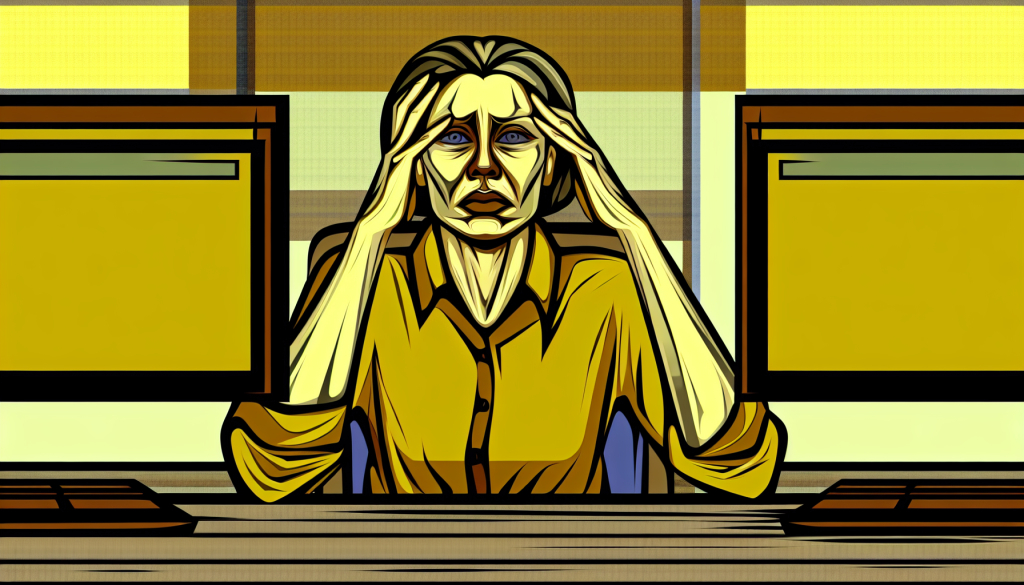
When Headaches Interfere With Your Life
Headaches manifest in many different ways. Their location, accompanying symptoms, and duration can vary widely. While some people experience them only occasionally, others find them to be a persistent and debilitating issue.
Certain headaches can be avoided by adopting healthier habits. Staying well-hydrated, steering clear of known triggers, reducing stress, and improving sleep quality can help. However, some types of headaches may call for more advanced treatment approaches.
Researchers supported by the NIH are actively working to expand treatment options for individuals who do not find relief with currently available therapies.
Various Headache Types
Headaches are not all the same. Identifying which kind you have is an essential step toward effective treatment.
The most frequently occurring headache is the tension headache. It is often brought on by stress, which can cause the muscles in the neck, scalp, jaw, and face to tighten. Poor posture, not getting enough rest, and dehydration can also play a role.
Tension headaches typically cause a dull ache on both sides of the head and can range from mild to moderate in intensity. Some individuals experience chronic versions that occur regularly and may linger for long stretches of time.
“We categorize a headache as chronic when it happens more than 15 days a month,” explains Dr. Michael Oshinsky, a specialist in pain at the NIH.
Another prevalent type is the migraine. Migraines aren’t simply headaches; they are complex neurological conditions. Migraine pain often affects one side of the head but can involve both sides as well. Other symptoms can include nausea, vomiting, mood swings, fatigue, and sensitivity to sensory input like light, sound, and smells. These episodes can continue for several hours or even days.
“Migraine is like having the brain’s sensitivity dial turned up too high,” notes Dr. K.C. Brennan, a scientist who studies migraines at the University of Utah. “For people with chronic migraine, that dial stays elevated.”
Another severe form is the cluster headache, which causes intense, sudden pain. These headaches often appear at the same time every day or every other day over a period of weeks.
Post-traumatic headaches are experienced by some individuals, such as military veterans, after a concussion or other brain injury. These headaches may persist well after other symptoms have disappeared. There are also less common types of headaches caused by nerve disorders in the head.
Headaches can also be secondary symptoms of other medical issues. Conditions like brain injuries, strokes, seizures, infections, and high blood pressure may lead to headaches as well.
If your headaches seriously interfere with your daily routine, consult your physician. They can help diagnose the cause and recommend treatments or refer you to a specialist.
In some instances, headaches may be warning signs of severe health problems requiring emergency care. See the Wise Choices box for indicators to watch out for.
Exploring Treatment Options
Keeping a log of your headache experiences can be a helpful way to manage your symptoms. This can include noting frequency, severity, and what has or hasn’t helped alleviate the pain.
“Try keeping records for at least a month—document when headaches occur, methods you used for relief, and their duration,” suggests Oshinsky. Also consider logging your diet, sleep patterns, any daily changes, and stress levels. These notes can uncover possible causes and assist your doctor in tailoring a treatment strategy.
Many people find relief from occasional headaches with over-the-counter pain medications. However, those with more persistent issues may require prescribed treatments.
Oshinsky cautions against overuse of painkillers. “Using them more than three to four times weekly can cause rebound headaches once the medication wears off,” he says.
For chronic sufferers, preventive medications may be beneficial. These aim to stop headache episodes from beginning rather than just treat the symptoms after they start. One class of such medication, known as CGRP inhibitors, has helped some people reduce the frequency of migraine attacks.
Nevertheless, not all preventive measures are effective for everyone, and researchers are seeking new, improved treatments.
One area of interest involves the neurotransmitter glutamate. Brennan's research has found that unusual glutamate activity may be linked to migraine attacks. Glutamate normally helps brain cells communicate, but it may also play a role in triggering some headaches.
“We need to understand how irregular glutamate activity works in different brain cells and under specific conditions,” Brennan explains. “That knowledge will help us create more targeted treatments.”
Not all headache solutions involve medication. Some people benefit from cognitive-behavioral therapy (CBT), which teaches coping techniques and how to reframe the experience of pain.
“CBT can prompt real changes in brain function, similar to what happens when someone uses medication,” says Dr. Hadas Nahman-Averbuch, a researcher specializing in migraine pain at Washington University in St. Louis. Mindfulness, relaxation techniques, and biofeedback are alternative methods that may also offer relief.
Headaches in Children
Children are not immune to headaches. Lifestyle improvements like increased hydration, healthier eating, regular physical activity, and better sleep can help. Always seek a doctor’s advice before giving medicine to a child for headaches.
Identifying headache symptoms in children can be challenging. “Young kids with migraine might initially complain of stomach pain,” Oshinsky points out.
Migraines often run in families, so parents who suffer from them should be mindful that their children may develop similar patterns, Oshinsky adds.
Hormonal changes in adolescence, especially among girls, can also contribute to stronger or more frequent migraines, says Nahman-Averbuch. Her research focuses on how puberty-related hormone shifts may influence headache development. They aim to design tests that predict which teens might be more susceptible during puberty.
“If we’re able to anticipate who will be affected, we can take action to prevent it,” Nahman-Averbuch says.
Regardless of your age, finding a successful treatment may take time. Work with your healthcare provider to explore the best methods for addressing headache pain. “We’ve got many effective tools now,” says Brennan, “and we’re continuing to discover more.”