
Global leaders unite in backing political pledge on noncommunicable diseases and mental health
Global leaders have shown strong backing for the first-ever United Nations political declaration addressing noncommunicable diseases (NCDs) and mental health through a unified strategy. The declaration, created after five months of intergovernmental discussions, is set to be reviewed for final adoption at the 80th General Assembly session in October 2025.
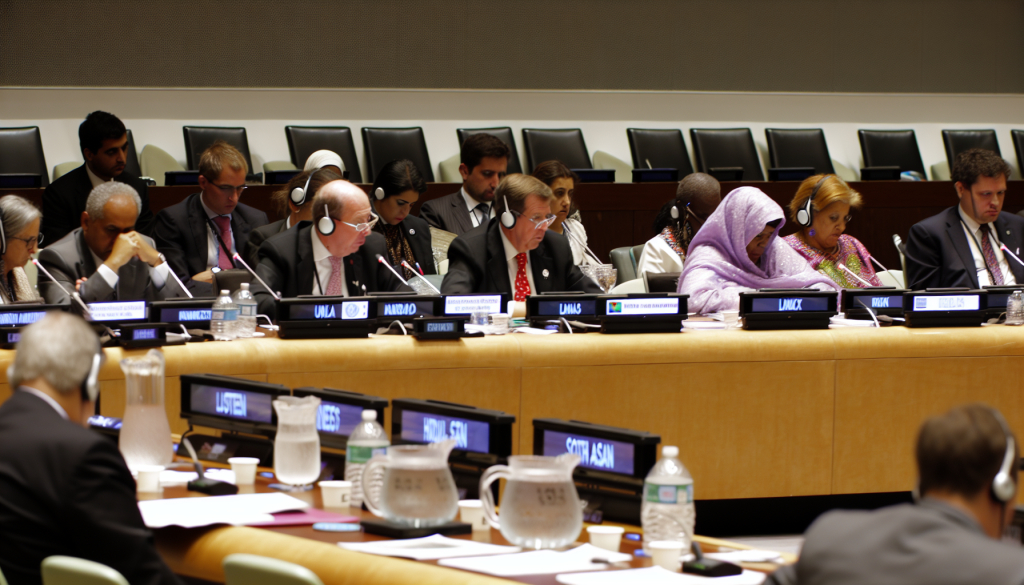
Heads of state, government officials, and ministers of health convened at the fourth High-level Meeting of the UN General Assembly dedicated to noncommunicable diseases and mental health to discuss the initiative.
NCDs—such as heart disease, respiratory conditions, cancer, and diabetes—are currently the top cause of death across the globe, responsible for at least 43 million deaths in 2021 alone. Of these lives lost, 18 million were individuals under the age of 70. A significant portion—82%—of these premature deaths occurred in low- and middle-income nations. At the same time, over one billion people worldwide live with mental health conditions.
NCDs continue to rise in all regions, affecting people in every community. This growing burden poses significant challenges to public health systems, labor productivity, and long-term economic development.
The draft declaration, entitled "Equity and Integration: Transforming Lives and Livelihoods through leadership and action on noncommunicable diseases and the promotion of mental health and well-being," outlines a shared path forward.
Key targets for 2030 include reducing the number of tobacco users by 150 million, managing hypertension for 150 million more people, and ensuring that 150 million additional individuals have access to mental health services.
The declaration draws upon lessons learned during the COVID-19 pandemic and addresses emerging global concerns by expanding its scope. Areas now included range from oral and lung health to childhood cancer, liver and kidney diseases, and rare illnesses. It also addresses environmental influences such as air pollution, unsafe cooking methods, lead exposure, and dangerous chemical exposure. Furthermore, the agreement acknowledges new digital threats, such as prolonged screen use, exposure to harmful content, and the spread of misinformation and disinformation through social media.
Additionally, the declaration places a stronger emphasis on regulations involving electronic cigarettes, newer tobacco alternatives, marketing of unhealthy foods to children, clear food labeling, and the removal of trans fats from food supplies. It also prioritizes the voices and needs of people affected by NCDs and mental health conditions, especially those in climate-sensitive regions, Small Island Developing States, and areas experiencing humanitarian crises.