Strengthen Connections to Safeguard Well-Being
The Value of Meaningful Relationships
From childhood, we’re taught that eating well and staying active are essential for our health. Recently, scientists have been learning that close social relationships might be just as vital. Strong social ties are linked to longer life spans and lower rates of serious illnesses. They also influence mental well-being, eating behaviors, and more.
Even with these proven benefits, social disconnection is becoming more common around the world. Around one out of every three adults in the U.S. says they often feel lonely, and about one in four feels they don’t have enough social or emotional support.
The Importance of Relationships
Several factors can lead to loneliness, including the state of personal relationships, the surrounding community, and larger societal issues. Your health, life experiences, and personality also play roles.
People who feel socially cut off or lonely face a greater chance of developing heart issues, weight problems, high blood pressure, anxiety, and depression. Loneliness is also tied to a higher likelihood of memory-related conditions like Alzheimer’s and even a shortened life expectancy.
Though the COVID-19 pandemic deepened feelings of isolation, these issues go back much further. Over recent decades, fewer individuals have become involved in community and religious groups, and more people live on their own. Although digital tools offer new ways to stay connected, they also introduce risks like cyberbullying.
Researchers are studying how our connections influence health and exploring strategies to reduce the negative effects of being socially isolated or lonely.
“Humans are naturally social,” explains Dr. Elizabeth Necka, a researcher focusing on social behavior at the National Institutes of Health. “When we lack meaningful social interaction, we often feel stressed. And stress is known to cause inflammation in the body, which can impact heart health.” Chronic inflammation has also been associated with cancer and other illnesses, and our ability to handle stress challenges weakens as we grow older.
Necka points out that social isolation and loneliness are related but distinct. Isolation refers to having few contacts, while loneliness is about how you feel regarding the lack of companionship.
“Someone might live alone and be content, while another might feel alone even in a crowd,” she says. “What matters is how fulfilled you feel in your relationships.” Regardless of perception, both isolation and loneliness can negatively affect physical health—even those who say they’re content may still face medical risks.
Who Is Most Vulnerable?
Temporary feelings of loneliness are normal. Still, certain conditions can make prolonged loneliness or isolation more likely. These range from living by yourself and having mobility or sensory impairments to financial challenges and mental health struggles. Living in hard-to-access or unsafe areas and experiencing major life changes such as retirement or bereavement can also increase risk.
While older adults are commonly believed to be most affected, recent research involving over 128,000 people across various countries shows that young adults face similar struggles. “We found that loneliness peaks in early adulthood and again in later years,” says psychologist Dr. Eileen Graham from Northwestern University.
According to Graham, a sense of “generativity”—the need to support and guide younger people—can help people remain socially engaged and resilient. “Those who feel they are giving back tend to feel more socially fulfilled, which supports personal well-being,” she says. This mindset may help shield people from the harmful consequences of isolation and disconnection.
“In older age, people often choose to focus on close, meaningful relationships,” Necka adds. “They let go of more casual ties. Interestingly, this tendency seems to help older adults maintain better emotional health.”
Relationships and Intimacy
“Whether someone is married or in a close relationship is an important part of their social network,” explains Dr. David Sbarra, a psychologist at the University of Arizona. Married individuals often live longer and enjoy better health. However, the quality of the relationship matters significantly. “Feeling truly seen and understood by a partner is crucial to emotional closeness,” Sbarra notes.
His research team discovered that going through divorce or separation is linked to changes in telomeres—cell components tied to aging. Alterations in telomere length can lead to diseases like cancer and reduce lifespan.
Now, the team is using tools like brain scans and mobile apps to track how couples interact and how stressful thought patterns in one partner may impact both individuals’ physical health.
Building New Ties
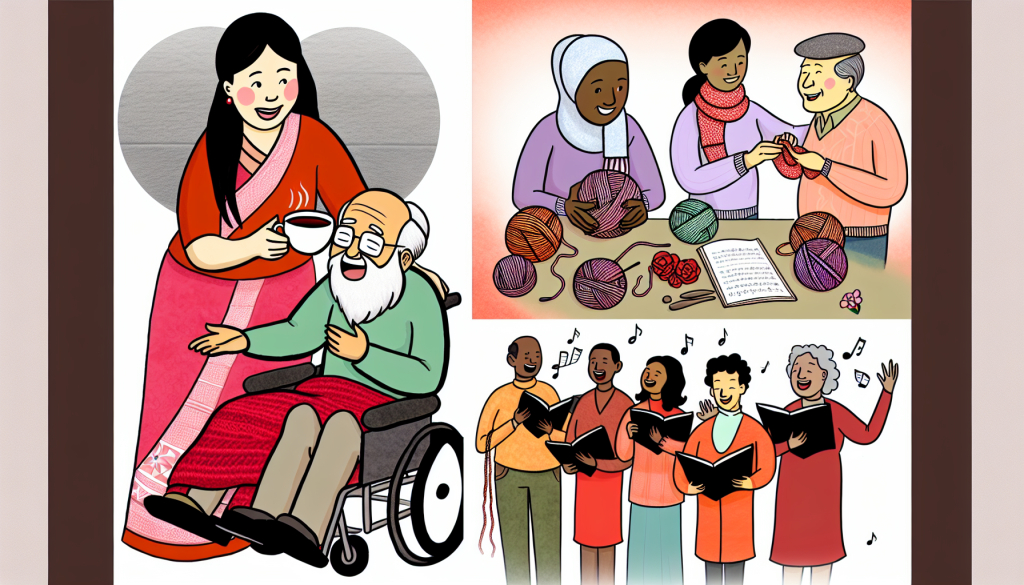
“When you feel isolated, starting new relationships can be difficult,” Necka says. “While deep connections are ideal, even small social exchanges make an impact and can be a starting point.”
For example, regularly shopping at the same grocery store opens the door to casual chats with a familiar clerk. Or perhaps someone waiting at your bus stop often wears the same color; a comment about it can spark friendly conversation. These brief interactions can help ease you into forming deeper bonds over time.
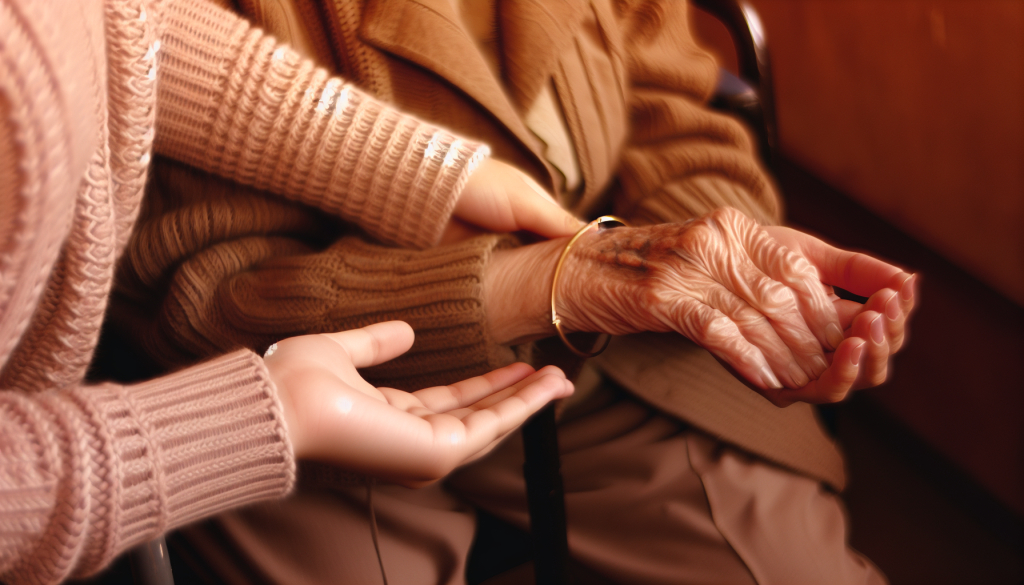
“If you notice someone in your area—maybe an elderly neighbor or a busy single parent—check in on them,” Graham suggests. “A simple act like offering a home-cooked meal or suggesting a card game can open doors. Our small efforts to connect can benefit both sides and lead to better overall health.”