
South Africa unveils National Strategy to safeguard millions from counterfeit and low-quality medical products
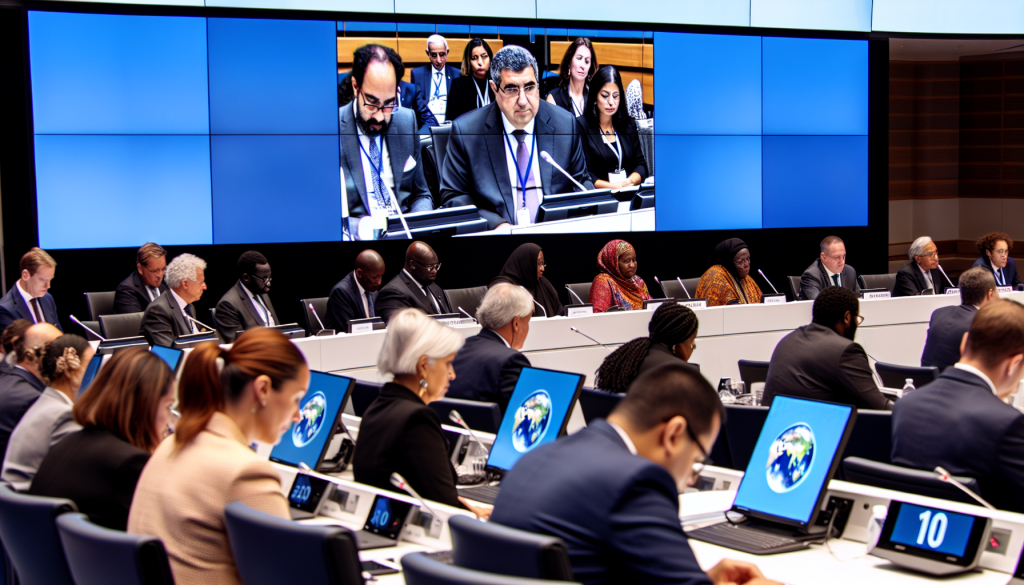
On 30 September 2025, South Africa launched its National Action Plan (NAP) aimed at tackling the ongoing challenge of substandard and falsified medical products. This initiative marks a crucial move toward enhancing public health protection both within the country and across the region, while also boosting regulatory cooperation.
The NAP was introduced by the South African Health Products Regulatory Authority (SAHPRA), in collaboration with the National Department of Health and the World Health Organization (WHO). This strategy responds to a public health issue that continues to endanger lives worldwide. WHO research shows that approximately one in ten medical items in low- and middle-income countries, including South Africa, fail to meet quality standards or are counterfeit. These inferior products result in serious health outcomes, ineffective treatments, and thousands of avoidable deaths each year. The economic toll is also immense, with an estimated US$ 30.5 billion loss to global health systems annually, placing even greater financial stress on already struggling South African households.
Three-pronged approach: prevention, detection, and response
In South Africa, the danger of counterfeit medications—especially those posing as life-saving treatments for illnesses like HIV, tuberculosis, and chronic diseases—demands immediate and effective action. The NAP introduces a targeted three-pillar approach focused on prevention at entry points, quick detection of threats in the supply chain, and robust enforcement to neutralize risks. Rooted in the WHO’s draft guidance for combating poor-quality medical products, this plan is a cornerstone in the country’s mission to protect public health. Additionally, it promotes continental collaboration by encouraging knowledge-sharing and consistent regulatory practices across African nations.
“This is more than just a plan—it’s a lifeline for South Africans,” said Dr Boitumelo Semete-Makokotlela, CEO of SAHPRA. “Through collective determination, we’ve converted a complex challenge into a united nationwide effort. The NAP ensures that families everywhere, from remote health posts to urban centers, have access to genuine medicines. It’s about empowering individuals to recognize and report dangerous products, turning passive recipients of care into active defenders of health.”
Enhanced cooperation and a unified health vision
The introduction of the NAP was marked by a major event in Johannesburg, bringing together policymakers, health regulators, industry representatives, law enforcement, NGOs, and international partners—all demonstrating a united front in this public health mission.
“Counterfeit drugs do not choose their victims—they affect the most vulnerable first, robbing children of health and the elderly of peace,” stated Minister of Health Dr Aaron Motsoaledi during his keynote address. “Today’s shared commitment across sectors shows that defeating this crisis requires everyone’s contribution. South Africa is taking the lead, but success depends on collective African action to shield every individual from this hazard.”
This united front sends a strong signal: all stakeholders share a responsibility to ensure that patients everywhere can rely on the safety and quality of the medical products they receive.
“South Africa’s rollout of its National Action Plan is a landmark moment in its quest to reinforce healthcare systems and ensure public health security,” commented Ms Shenaaz El-Halabi, WHO’s Representative in South Africa. “Implementing the NAP is critical not only for product safety and public confidence but also for elevating national and global health systems. It showcases how a cross-sectoral effort—from government to grassroots—can effectively tackle such a widespread problem. WHO is proud to support this initiative and remains committed to partnering with South Africa in its successful implementation.”
The WHO played a vital advisory and operational role in shaping South Africa’s NAP, helping align it with international standards and supplying extensive support at global, regional, and national levels.
“WHO is proud to support South Africa and all nations in their pursuit of safe, reliable medical supplies,” said Mr Hiiti Sillo, Head of the Regulation and Safety Unit at WHO headquarters. “Dangerous medical products not only undermine trust but also squander resources and tragically cost lives. Investing in comprehensive national strategies and regulatory systems is essential for restoring faith in healthcare. South Africa’s path-setting implementation of the WHO handbook shows what can be achieved through strong commitment and collaboration. This plan is more than policy—it’s a powerful pledge to ensure only trusted medical products reach the people. May it serve as a rallying call for others to do the same and prevent avoidable tragedies.”
South Africa’s National Action Plan is anticipated to guide similar efforts across the African continent, reinforcing regulatory capacity and furthering WHO’s mission of achieving universal access to safe and effective health products.