Understanding the Challenges of Gastroparesis
Understanding Digestive Slowdown
When you eat, your stomach begins breaking down the food before moving it into the intestines. The time it takes for your stomach to empty varies depending on several elements. Larger meals, especially those high in fat or calories, tend to take longer. Your overall health also plays a role. Sometimes, the stomach empties more slowly than normal due to a condition called gastroparesis.
Gastroparesis isn’t widespread. Still, around one in four people experience symptoms similar to it. The only reliable way to confirm the diagnosis is to measure how quickly the stomach empties its contents.
“People don’t usually come in knowing they have delayed stomach emptying,” says Dr. Braden Kuo, chief of gastroenterology at Columbia University and New York Presbyterian Hospital. “They just describe their symptoms.”
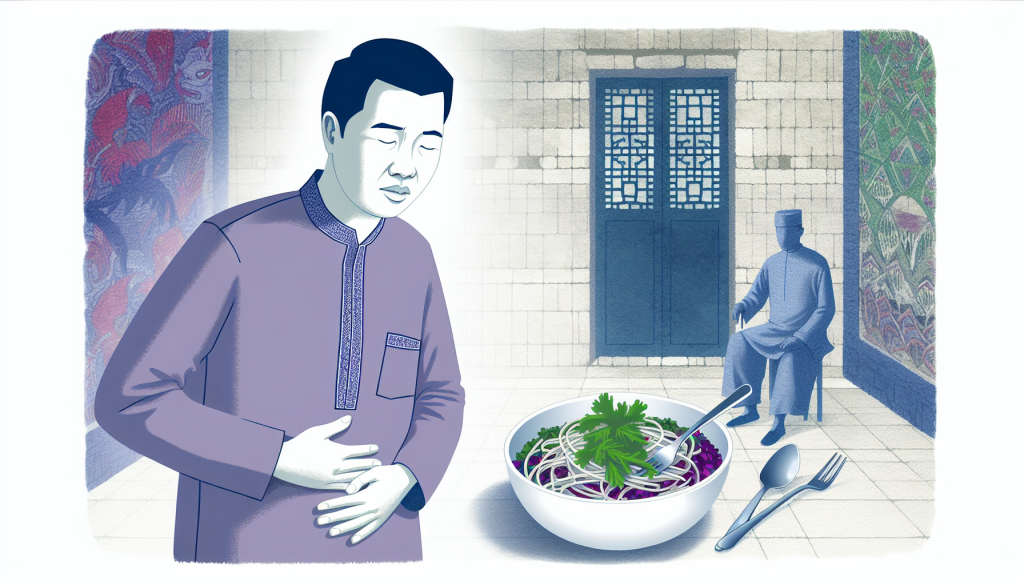
These symptoms can include nausea, vomiting, early feeling of fullness, and abdominal discomfort. To confirm gastroparesis, doctors must eliminate other possible reasons such as blockages, inflammation, or ulcers, according to Kuo.
“If all the other tests come back normal but the person still reports issues, then we start to consider gastroparesis,” he explains.
Most gastroparesis cases don’t have a clear cause, which is referred to as idiopathic. However, certain conditions can affect the nerves that assist with gut movement or sensation.
The most identified cause is poorly managed diabetes. Elevated blood sugar can harm nerves, including the vagus nerve. This nerve coordinates communication between the brain and the digestive system, prompting stomach muscles to move food along and signaling fullness after eating.
Some autoimmune diseases and nerve damage from viral infections can also interfere with digestion.
“Many people experience digestive symptoms during a virus and recover fairly quickly,” Kuo says. “But a few never bounce back, continuing to face issues like nausea or abdominal pain. In these cases, the virus may have altered how the gut’s nerves operate and sense activity.”
To improve understanding and treatment of gastroparesis, the National Institutes of Health formed the Gastroparesis Clinical Research Consortium (GpCRC). Over the past 17 years, this group has involved both children and adults with the disorder in studies to uncover new insights and explore therapies.
One GpCRC study found that 90% of people with gastroparesis experience abdominal pain, with nearly a third reporting the pain as intense. Other research has investigated how frequently patients visit emergency care settings because of their symptoms.
Kuo, a consortium member, highlights studies examining stomach tissue in detail. “We’re starting to notice changes at the microscopic level — in nerves and inflammatory processes — that help explain what’s going wrong,” he notes.
Research teams are monitoring patients over time to track how symptoms evolve. Kuo is also exploring whether cognitive behavioral therapy, a type of talk therapy, might ease symptoms. This therapy helps individuals understand their condition and the link between the brain and gut, and teaches techniques to calm the vagus nerve. It also supports patients in overcoming the anxiety often associated with eating while living with gastroparesis. The study is currently accepting participants.
“We’re offering patients tools they can use to better manage their condition, which can significantly impact how they feel,” Kuo says.