Exploring the Nature of Epilepsy
Wave of Neural Activity
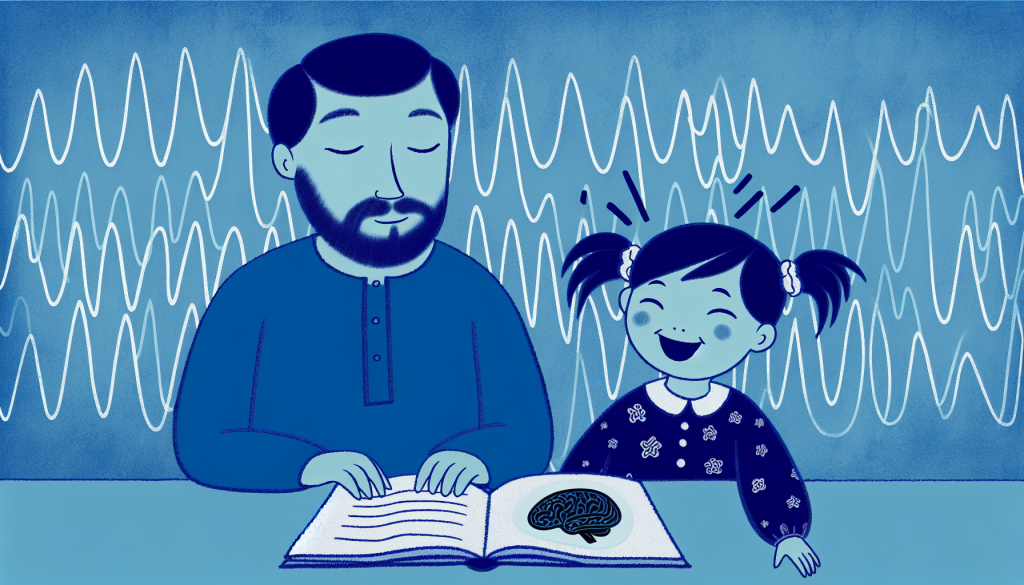
Inside your brain is a highly intricate web of nerve cells known as neurons. These neurons transmit signals that govern your senses, movements, and emotions, allowing your body to function and interact with your surroundings.
Occasionally, this system can malfunction. Large numbers of neurons may send excessive signals all at once, causing an unusual spike in brain activity called a seizure.
Experiencing even a single seizure warrants attention. Recurrent seizures are a hallmark of a condition known as epilepsy. However, a seizure doesn’t always mean someone has epilepsy.
Seizures can result in unusual feelings, such as confusion or strange bodily sensations. You might lose control of your movements or suddenly become unresponsive.
Because these symptoms vary, seizures can be hard to recognize. What happens during a seizure depends on where in the brain the electrical disruption occurs.
Some people may only have one seizure in their life, while others can experience them frequently—sometimes several times a day.
Researchers are still exploring the root causes of epilepsy, especially in cases where no clear origin is identified. Scientists at NIH are striving to improve how it is understood, identified, and managed.
Decoding the Symptoms
Many factors can interfere with the brain’s usual signaling patterns and lead to seizures. These include infections, brain tumors, genetic disorders, developmental issues, or trauma to the brain.
Seizures are often classified into two primary types: generalized and focal. Generalized seizures originate on both sides of the brain, while focal seizures begin in one area but may spread. Some individuals experience both types without a distinct pattern.
“Television shows often depict generalized seizures in a dramatic way,” says Dr. Adam Hartman, a pediatric epilepsy specialist affiliated with NIH. “They usually show someone convulsing on the floor. But generalized seizures can also involve more subtle signs, like vacant staring.”
In focal seizures, individuals might appear confused or dazed. They may fidget, chew, or display other odd behaviors. Communication might be difficult during the episode, as they can’t respond to questions or instructions.
In both seizure types, people can temporarily lose consciousness, possibly resulting in falls or injury. If a seizure extends beyond five minutes, emergency medical help should be sought, as it may become dangerous.
Children with developmental challenges are more likely to experience seizures and are at increased risk for a condition known as sudden unexpected death in epilepsy, or SUDEP.
One such condition is Dravet syndrome, a rare and severe form of epilepsy in children. Dr. Lori Isom of the University of Michigan is examining what increases the risk of death in these cases. Research shows that DNA mutations are often involved in Dravet syndrome.
“These mutations can affect not only the brain but also heart function,” says Isom. “They can disrupt heart rhythm and trigger seizures.”
Isom and her team are studying how interactions between the brain and heart might lead to SUDEP. Their earlier work contributed to creating a gene therapy for Dravet syndrome, which showed success in animals and is now being tested in children through a clinical trial funded by a private company.
Identifying Epilepsy
Epilepsy can appear at any stage of life, though infants, young children, and the elderly are more vulnerable.
Diagnosis starts with reviewing the patient’s history and may include neurological exams and blood tests to look for infections or inherited conditions. Brain activity measurements like EEGs and scans can provide helpful insights.
Detecting epilepsy isn’t always straightforward. Some adults suffer from focal epilepsy concentrated in the temporal lobes, and it often goes unnoticed or is mistaken for something else. Temporal lobes sit on either side of the brain and can suffer damage from ongoing seizures.
MRI scans might show subtle damage patterns, but these may be missed during routine analysis. Dr. Carrie McDonald, an imaging researcher at the University of California, San Diego, is developing artificial intelligence tools to identify these changes. Her team found that AI was able to correctly detect over 80% of temporal lobe epilepsy cases.
“By using AI to spot specific patterns, radiologists and surgeons can get more precise information,” McDonald says. “It helps guide where to place brain electrodes that track seizure activity.”
By combining this approach with other diagnostic tools, doctors can determine where seizures begin in the brain—information that is key to choosing effective treatment plans.
Treatment Pathways
Most often, the first step in treatment involves medication aimed at controlling seizures. If these do not work, patients may be referred to a neurologist who specializes in epilepsy.
Dr. Sara Inati, an epilepsy researcher at NIH, focuses on better ways to assess and support people whose seizures aren’t controlled by medication. In her latest work, she studied brain images of those with difficult-to-control epilepsy and found consistent changes in key brain regions like the hippocampus and amygdala, even when those areas weren’t the original seizure site.
“What starts in one part of the brain can affect others over time,” Inati notes. “This information can help doctors tailor treatments more effectively.”
When medication fails, other interventions like surgery or implanted devices that send signals to the brain may be recommended. Diet modifications also help some individuals.
Although living with epilepsy can be demanding, effective treatments allow many people to manage their condition and lead fulfilling lives.