
Climate change diminishes the cleansing capacity of lakes
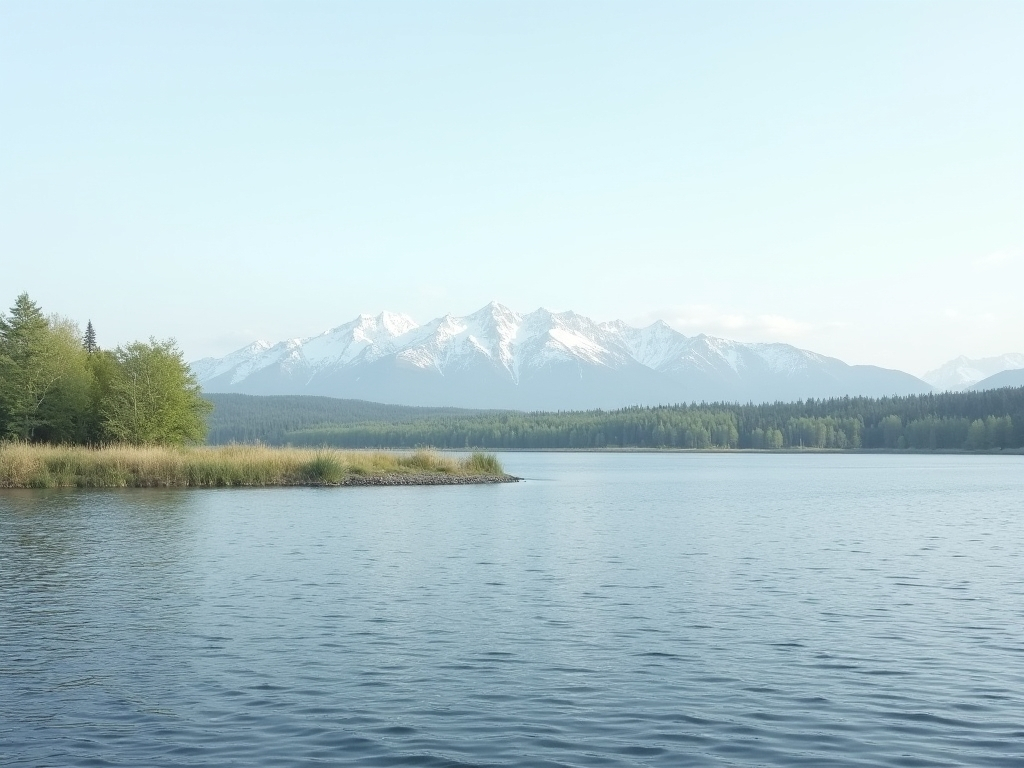
image:
Lakes such as Lake Baldegg function as natural reservoirs for nitrogen, helping to shield downstream ecosystems from excess nutrient loads. Rising temperatures linked to climate change are diminishing this essential purification role (Photo: courtesy of Pro Natura Lucerne).
Credit: Pro Natura Lucerne
Lakes serve as important natural filters within ecosystems by removing surplus nitrogen from the water. An international team of researchers led by the University of Basel and Eawag has demonstrated that climate change may impair this cleansing mechanism. Such changes could have far-reaching impacts extending to coastal marine environments.
When picturing lakes, many people think of fish, amphibians, birds along the shoreline, or recreational activities like swimming. Yet lakes are also fundamental components of the global nitrogen cycle. Microorganisms living in lake sediments transform nitrogen compounds such as nitrate and ammonia into dinitrogen gas (N2). This gas is released into the atmosphere, effectively eliminating reactive nitrogen from the biosphere. This microbial process is known as denitrification.
Roughly 20 percent of nitrogen removal in inland waters occurs through these biological pathways. The new study, conducted by researchers from the University of Basel and Eawag, reveals that this ecosystem service is extremely sensitive to rising temperatures associated with climate change. The findings were published in "Nature Microbiology".
Filters are particularly active in winter
For their investigation, scientists collected samples from Lake Baldegger in the Lucerne Lake District. Covering 5.3 square kilometers, this lake represents many temperate lakes that undergo complete water mixing once per year.
The team found that denitrification activity is closely tied to this seasonal mixing cycle. During winter, the lake’s three water layers fully circulate: the warmer, oxygen-rich surface layer, the middle transition zone, and the colder, oxygen-depleted deep layer.
Nitrogen ultimately accumulates in the sea
Throughout this winter mixing period, denitrification is nearly 50 percent more intense than during the stratified conditions of summer. This seasonal pattern presents a potential vulnerability under climate change. “A lake’s capacity to eliminate nitrogen strongly depends on seasonal dynamics, and these dynamics are being altered by global warming,” explains lead author Cameron Callbeck. In a scenario of pronounced warming, the winter mixing phase could be shortened by approximately 27 days. As a result, the lake’s overall nitrogen removal would decline. “At present, we still do not fully understand why denitrification peaks during winter,” the environmental scientist adds.
Lakes are essential filters within the global nitrogen cycle. If they fail to retain and transform nitrogen, it is transported by rivers to the ocean. The consequences can be significant: coastal algal blooms, oxygen-depleted “dead zones,” and mounting pressure on vulnerable marine ecosystems. “Our study demonstrates that even modest changes in the seasonal mixing patterns of lakes can noticeably influence nitrogen cycling locally and, collectively, at the global scale,” says Prof. Dr. Moritz Lehmann, senior author of the study.
A combination of sediment samples and lake balance
To quantify denitrification in Lake Baldegger, the researchers applied two complementary approaches. First, they enriched sediment samples with nitrogen compounds labeled with the rare isotope 15N. By tracking this isotope with specialized analytical techniques, they were able to measure how much of the labeled nitrogen was converted into nitrogen gas, providing a direct estimate of denitrification rates.
Second, the team developed a whole-lake model to calculate the total amount of nitrogen removed from the system. “The isotope-based measurements and the modeled nitrogen balance were in strong agreement. This gave us confidence in our estimates and confirmed that winter represents a peak period for denitrification,” Callbeck explains.
Winter activity is fuelled by a microbial partnership
The scientists also uncovered a cooperative interaction among microorganisms in the lake sediments. Certain bacteria decompose chitin, a durable compound originating from zooplankton shells and dead algae that accumulates on the lake floor. This breakdown process generates substances that serve as an energy source for other microbes. These organisms then carry out denitrification, reducing nitrate to dinitrogen gas. In this way, chitin degradation effectively supplies the energy that powers the lake’s nitrogen removal system.
In future research, the team intends to examine whether these same processes also influence the formation of nitrous oxide, a potent greenhouse gas associated with denitrification and other nitrogen transformations in lakes.
Journal
Nature Microbiology
DOI
10.1038/s41564-026-02349-9
Method of Research
Experimental study
Subject of Research
Not applicable
Article Title
Seasonality of lake microbial denitrification and its sensitivity to climate warming
Article Publication Date
22-May-2026