Horses unaffected by handling at children’s zoo
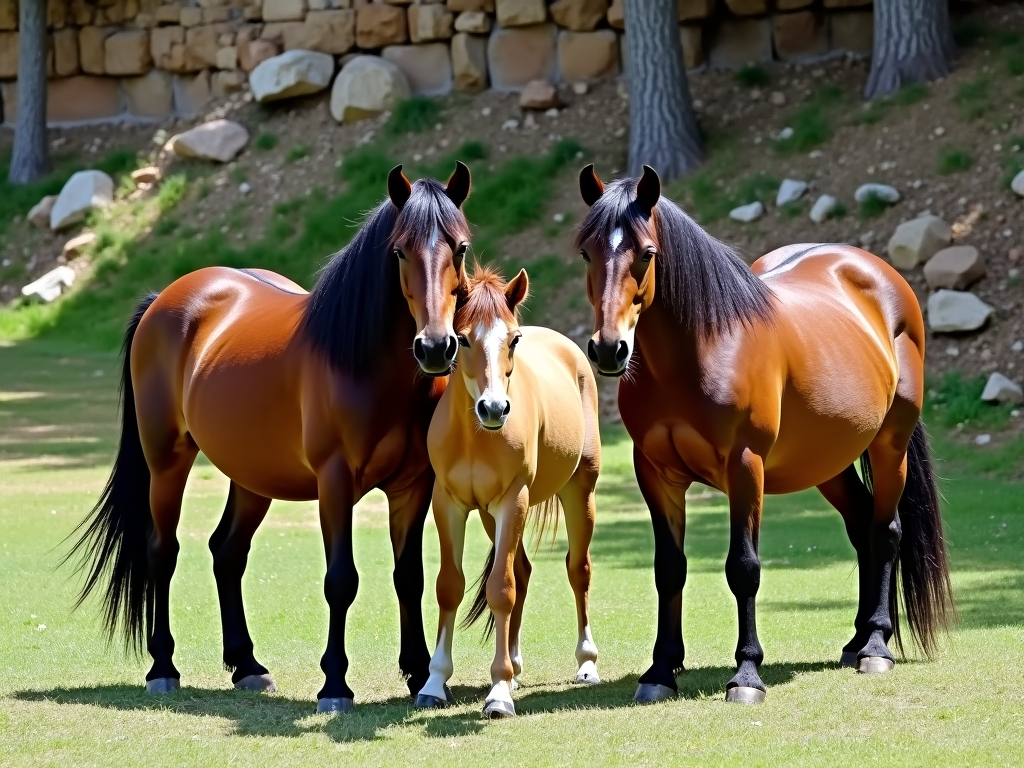
The Gotland ponies living at Slottsskogen animal park in Gothenburg interact closely and regularly with visitors at the Children’s Zoo. According to new findings from the University of Gothenburg, this frequent contact does not cause the horses noticeable stress.
Photo: Pamela Ericsson
The ponies at the Children’s Zoo appear comfortable being stroked by both children and adults. In contrast, loud construction noise—such as that from an excavator—does trigger a stress response. This conclusion comes from a study in which researchers equipped eight Gotland russ horses with heart rate monitors to measure their reactions in different situations.
Anyone responsible for keeping animals must prioritize their wellbeing. For zoos dedicated to conserving breeds and supporting biodiversity, understanding how visitors influence animal welfare is especially important.
“Behavioral observations can tell us a great deal, but they do not always reveal exactly how animals experience human interaction. That is why I chose to monitor heart rates to assess how these horses respond to the busy environment of the park. The results indicate that they cope very well with the presence of visitors,” explains Isidora Dundjerovic, the study’s lead author.
Heart rate as a measure of stress
Heart rate is closely connected to stress levels. When stress increases, so does heart rate—both in humans and in animals. The researchers recorded the heart rates of eight horses while they were resting and while they were active, such as walking for extended periods in the park. These measurements established baseline values that were later compared with readings taken when groups of children gathered around the horses, petting them while they ate hay.
“At rest, the horses had an average heart rate of 42.5 beats per minute, and during physical activity it averaged 85 beats per minute. When standing in a paddock near a playground and being petted, their average heart rate was 51 beats per minute. However, when an excavator suddenly started operating nearby, their heart rates rose sharply and they quickly distanced themselves from the source of the noise,” says Dundjerovic.
Responses to other sounds
While the construction machinery clearly caused stress, other everyday disturbances did not. During their walks through the park, the horses encountered barking dogs multiple times, yet their heart rates remained stable. Passing cars also failed to produce any measurable reaction.
“Horses have lived alongside humans for thousands of years and are well adapted to human presence. These findings improve our understanding of how they handle environments with many people around, which is essential for safeguarding their welfare,” Dundjerovic adds.
Pony riding
The results provide reassurance for the staff responsible for animal care at Slottsskogen. Additional studies conducted in a similar manner—including research on pony riding—are expected to offer further insight.
“Animal welfare is a top priority for us, and we evaluate our animals’ health through a variety of methods. Our collaboration with the University of Gothenburg allows for detailed assessments that help ensure we do not miss subtle signs of stress among the animals,” says Linda Thelin, zoologist at the park.
Journal
Zoo Biology
DOI
10.1002/zoo.70052
Method of Research
Experimental study
Subject of Research
Animals
Article Title
Heart Rate as an Indicator of Stress in Gotland's Russ Horses
Article Publication Date
1-Jun-2026