Infant Diagnosed With Rare Condition Receives Customized Gene Treatment
Health Capsule
Researchers have made progress in repairing defective genes responsible for certain common inherited conditions. This progress includes successful treatments for sickle cell disease, blood-related issues, and a serious skin disorder. However, addressing more uncommon genetic diseases has proven difficult. In a recent study supported by the NIH, scientists used a tailored gene-editing method to treat a newborn diagnosed with a rare and life-threatening condition.
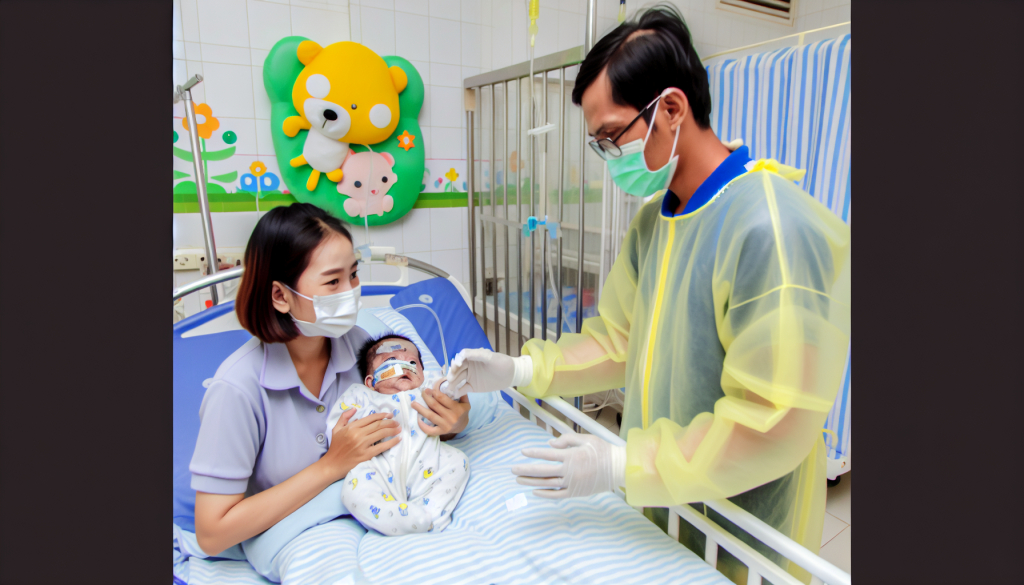
The infant was affected by CPS1 deficiency, a disorder where the body is missing an enzyme crucial for eliminating toxic ammonia. Without this enzyme, ammonia builds up to dangerous levels. Tragically, half of the infants diagnosed with this condition don't survive their first year. Fortunately, the research team had already been developing personalized gene therapies for similar rare conditions and were prepared to act quickly when the diagnosis was confirmed.
An experimental gene therapy was rapidly created for the child. Around six months of age, the baby received two treatments. Within weeks, doctors observed positive signs: the baby needed fewer medications to manage ammonia levels, and was able to safely consume more protein. Normally, protein intake is limited in CPS1 patients to prevent harmful ammonia accumulation.
No major side effects were reported from the treatment, although ongoing monitoring will be necessary to ensure it remains both safe and effective in the long term. If further testing confirms these results, similar customized gene-editing approaches might offer hope for treating other rare genetic disorders.
"This achievement is the result of many years of gene-editing research and strong teamwork between scientists and healthcare professionals," said Dr. Rebecca Ahrens-Nicklas of the Children’s Hospital of Philadelphia, one of the study’s lead investigators.