
A Bit of Precaution
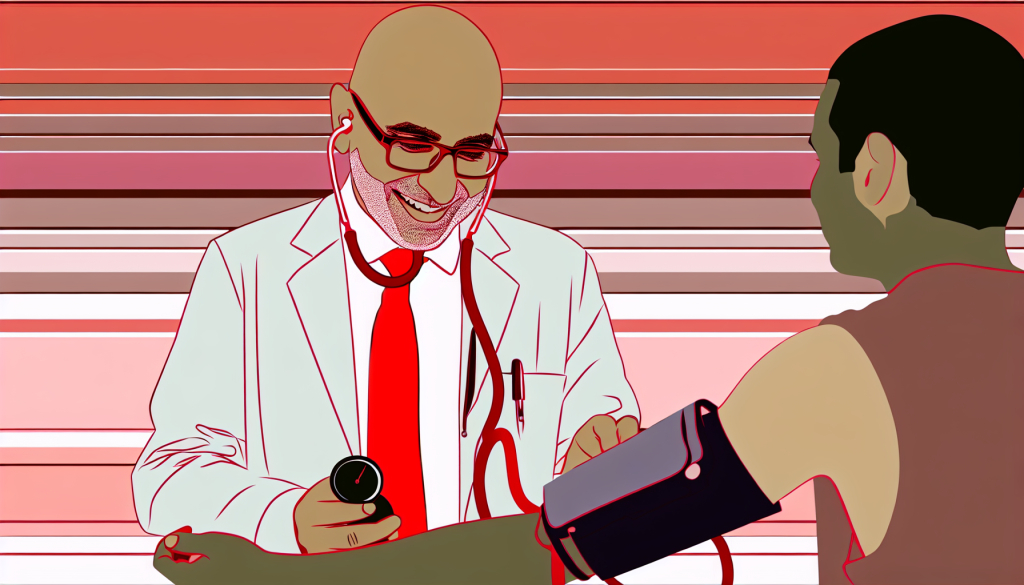
The Benefits and Drawbacks of Health Screenings
Many illnesses can begin without any noticeable symptoms. Conditions such as high blood pressure, high cholesterol, and some forms of cancer may develop quietly in their early stages. Health screenings are tests designed to detect early warning signs of diseases in individuals who appear to be well. Detecting issues early can be essential for beginning timely treatment and making lifestyle adjustments that could improve outcomes. Some screening tests are proven to benefit health and are broadly recommended.
“Advanced screening methods have significantly reduced mortality and illness rates,” says Bob McNellis, a public health authority from the NIH. Specialized teams create guidelines to determine who should undergo certain screenings and how often they should be performed.
One recent study examined the role of screenings in decreasing cancer-related deaths across the U.S. over the past 50 years. “Our research found that prevention and screening were behind 80% of the cancer deaths that were avoided during this time,” reports Dr. Katrina Goddard, an NIH expert in cancer prevention. The reductions in deaths from cervical and colorectal cancers were mostly attributed to increased screening.
However, screenings aren't suitable for every individual or situation. Some screenings can bring about unwanted effects or complications. “There are physical risks, but also emotional ones, like anxiety or social stigma,” McNellis notes. For instance, a screening might suggest you have a disease when you actually don't—this is known as a false positive. It can cause unnecessary stress and lead to further testing that might have its own dangers. On the other hand, some tests may not detect a real illness, leading to what's called a false negative.
In some cases, a screening test may uncover a disease that would never have caused harm during a person’s lifetime. Yet, simply learning about the condition could lead a person to receive treatment that wasn’t needed. This is referred to as overdiagnosis, which may result in overtreatment. “No test is flawless,” McNellis emphasizes.
Researchers continually monitor the effects of screening tests and update guidelines as new information becomes available. For instance, prostate cancer screenings were once routinely recommended for older men. But research revealed that they often led to overdiagnosis, with many undergoing major surgeries that weren’t necessary. As a result, testing is no longer routinely advised for men over 70.
“Screening recommendations evolve as new evidence emerges,” says Goddard. As a result of recent studies, the suggested age to begin colorectal cancer screening has been lowered to 45 because of increasing cases among younger people. “Recent data indicates that earlier screening may benefit this age group,” adds McNellis.
When it comes to screening, your doctor will consider aspects like your age, medical history, and individual values. It’s crucial to have a conversation with your healthcare provider before deciding on any screening test.
Helpful questions you might ask include: What risks are linked to the test? Are they common? Could the test detect an illness that might never cause harm? How successful are treatments if a disease is found? If a problem is discovered, am I fit enough to undergo treatment?
Many screenings need to be conducted at regular intervals to remain effective, McNellis points out. Even if your most recent test didn’t reveal any issues, it’s important to inform your doctor about any new or concerning symptoms that appear before your next scheduled screening.