
Understand Kidney Stones Clearly
Health Capsule
Kidney stones are a fairly common health issue, affecting roughly 11% of men and about 6% of women at some point in their lives. A sudden, intense pain in the lower back, abdomen, or groin can often be the first sign. Other symptoms to look out for include blood in the urine, discomfort during urination, or a frequent urge to urinate.
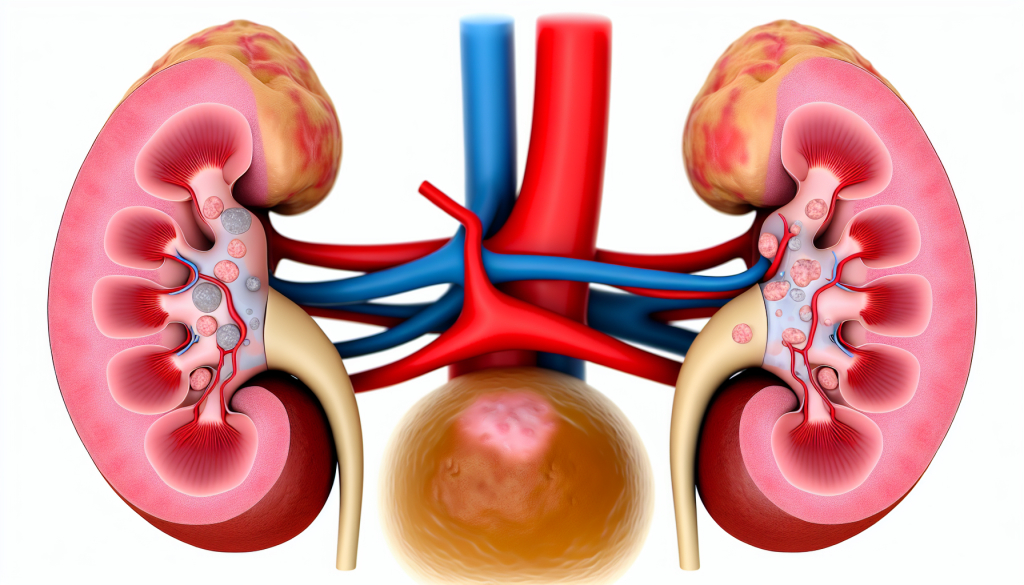
These stones develop when there is a high concentration of specific minerals in the urine. Over time, these minerals can crystallize to form small, rock-like formations in one or both kidneys. The stones come in various shapes—some smooth, others rough—and can vary in size from a grain of sand to a pea. Smaller stones often pass through the urinary tract without causing significant discomfort. However, larger stones may become lodged and block the flow of urine, leading to severe pain. Treatment usually depends on the size, location, and composition of the stone.
To help a kidney stone pass, doctors typically advise increasing liquid intake. If a stone is blocking the urinary tract, medical intervention may be necessary. A common method called lithotripsy uses strong sound waves to break the stone into smaller fragments, making it easier to expel through urination. Other procedures are also available to either break up or remove large stones directly.
Once someone has experienced a kidney stone, they are more likely to develop more in the future. Preventive measures such as staying well-hydrated, making specific dietary adjustments, and using prescribed medications can lower the chances of recurrence.