WHO unveils updated SHAKE toolkit to support efforts in lowering salt consumption
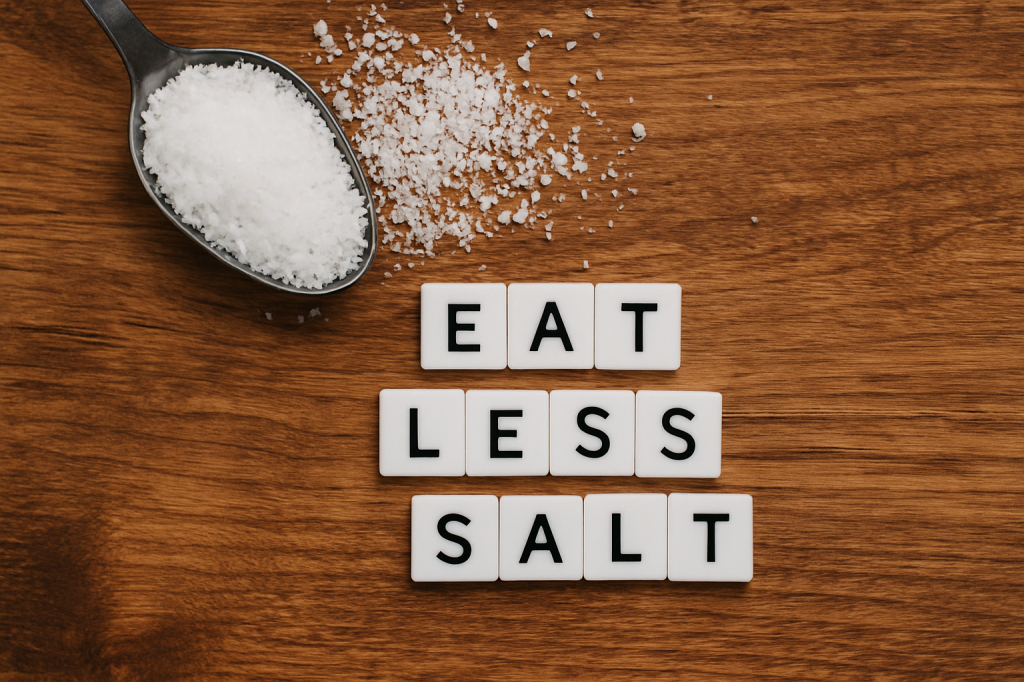
Today, the World Health Organization (WHO) unveils the second edition of SHAKE the Salt Habit, an updated technical package designed to help countries intensify efforts to lower sodium consumption—one of the most significant threats to global health.
Across the globe, most people consume too much sodium and live in food environments that make healthier choices difficult. The SHAKE package compiles a set of proven policy actions that governments can implement to safeguard public health and prevent avoidable deaths.
Why now: tackling a risk beyond individual control
Worldwide, average sodium intake exceeds twice the WHO recommended maximum of 2000 mg per day (about 5 g of salt, or one teaspoon). In 2023 alone, excessive sodium consumption contributed to an estimated 1.7 million deaths. High sodium intake is a major dietary driver of hypertension and cardiovascular disease. Although public health campaigns encourage people to cut back on salt, the reality is that processed, packaged, and street foods often contain high levels of hidden sodium, making personal control challenging.
Progress toward the global target of a 30% reduction in sodium intake by 2030 remains insufficient. Only 28% of the world’s population lives in countries that have adopted mandatory sodium reduction policies. Released during Salt Awareness Week 2026, the revised SHAKE technical package responds to the pressing need for stronger government leadership and more effective public health protection.
“Excess salt intake continues to be one of the leading preventable causes of death worldwide, and mandatory sodium reduction policies are among the most cost-effective strategies to reduce cardiovascular disease,” said Dr Luz Maria De Regil, Director of the Department of Nutrition and Food Safety at WHO. “With the updated SHAKE the Salt Habit, WHO provides countries with practical, evidence-based tools to take decisive action and prevent millions of deaths each year.”
What’s new: clearer guidance and stronger action
The revised edition offers a practical, step-by-step roadmap for reducing sodium intake at the population level. It integrates the latest scientific evidence, implementation tools, and real-world country experiences gathered through extensive collaboration.
The SHAKE framework highlights the importance of mandatory, government-led strategies and promotes a structured national programme model. The acronym SHAKE reflects five key pillars: Surveillance, Harness industry, Adopt standards for labelling and marketing, Knowledge, and Environment.
The updated package also addresses how to manage conflicts of interest with the food industry, emphasizing that industry actors must not shape public health policy. It outlines regulatory measures to limit products high in added sodium and includes detailed annexes covering monitoring systems, enforcement mechanisms, and responses to common industry arguments.
“The second edition of SHAKE provides countries with a clear set of practical measures that can be implemented and scaled up, particularly mandatory approaches to tackle persistently high salt consumption,” said Xi Yin, Coordinator of the Health Promotion and Policy Unit and Acting Lead for the Nutrition and Food Safety Unit in the WHO Regional Office for the Western Pacific. “Several countries in the Western Pacific have already used SHAKE to guide national salt reduction initiatives based on local data and experience, and we encourage many more to follow.”
What countries will find: a comprehensive package of proven solutions
The SHAKE package consolidates WHO guidelines and recommended “best buy” interventions for preventing and controlling noncommunicable diseases (NCDs) into a coherent framework that includes:
• Reformulating foods to establish maximum sodium limits or targets for pre-packaged products;
• Front-of-pack labelling systems that clearly communicate sodium content alongside mandatory declarations;
• Public procurement and food service policies that restrict high-sodium products in government and institutional settings;
• Marketing restrictions to shield children from unhealthy food promotion;
• Fiscal measures such as taxes on unhealthy foods;
• Public awareness and behaviour change campaigns delivered through mass media;
• The use of lower-sodium salt substitutes in appropriate contexts to replace regular table salt.
WHO calls on policymakers to demonstrate strong leadership by setting national sodium reduction targets and implementing comprehensive programmes that reshape food environments—making healthier, lower-salt choices the easier and more accessible option for all.