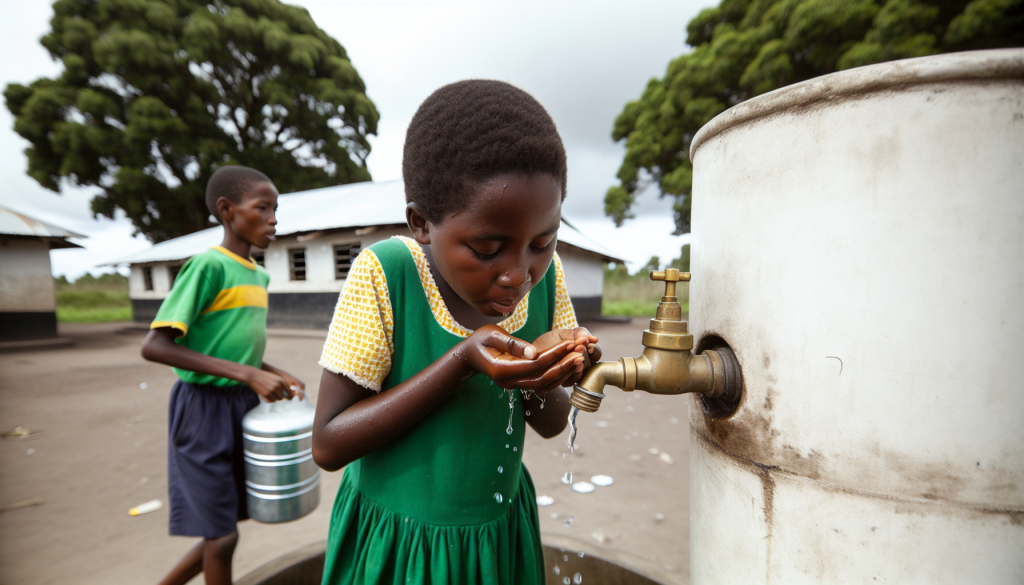
WHO calls on global schools to support nutritious diets for kids

Providing nutritious meals in schools can play an essential role in helping children establish lifelong healthy eating habits, according to a new global guideline from the World Health Organization (WHO). For the first time, WHO calls on governments to adopt a comprehensive school-wide strategy to ensure that all food and beverages offered in and around schools are wholesome and supportive of good health.
As childhood obesity rates climb around the world and problems of undernutrition continue, schools find themselves at the center of this dual challenge. By 2025, an estimated 188 million school-aged children and teenagers—around one in every ten—were affected by obesity, outnumbering those facing undernutrition for the first time in history.
“What kids eat at school, and the environment that shapes their food choices, significantly affects both their learning and health in the long term,” said Dr. Tedros Adhanom Ghebreyesus, Director-General of WHO. “Good nutrition at school lays the foundation for better health outcomes later and contributes to healthier communities.”
Healthy eating habits are best developed from an early age. Since children spend a large portion of their time at school, these institutions serve as vital spaces for fostering positive nutrition behaviors and reducing disparities in health and diet.
Currently, around 466 million children globally benefit from school meal programs, yet there is limited data on how nutritious these meals truly are.
To address this, WHO recommends schools enhance the quality of the meals and snacks they provide by encouraging healthier food choices. Specific recommendations include:
• Establishing clear nutrition standards or regulations that promote the availability, purchasing, and intake of nutritious food and drink options, while reducing access to less healthy items (strong recommendation);
• Using behavioral strategies, such as modifying how food is displayed, priced, or positioned, to prompt students to choose and eat healthier foods (conditional recommendation).
However, creating policies alone is not enough. Monitoring and enforcement are crucial to ensure that schools follow these nutritional standards properly. According to WHO’s Global Implementation of Food and Nutrition Actions (GIFNA) database, as of October 2025, 104 countries had adopted policies to improve school food. Nearly 75% had mandatory nutrition criteria, but only 48 nations had implemented restrictions on advertising foods high in sugar, salt, or unhealthy fats to children.
To shape these guidelines, WHO brought together a panel of global experts from various disciplines, using a robust and transparent process based on the latest evidence. This guideline supports WHO’s broader mission of creating healthier food environments and is part of key global campaigns, like the organization’s initiative to combat obesity and its efforts to make schools more supportive of good nutrition.
The guidelines aim to drive positive change at both local and national levels, highlighting the important role of cities and regional governments in applying school food policies effectively.
WHO will continue to work with national and local authorities to adapt and apply these recommendations through technical guidance, partnerships, and shared learning. A webinar marking the launch of the guideline will take place on 27 January 2026, from 13:00 to 14:00 CET.